Posts Tagged ‘fruit’

Now seemed like a good time for me to do another Good Eats special episode. The second special episode, “Down and Out in Paradise,” has a tropical theme, so I wanted to prep all of its recipes while it is still summer. This is an episode that I clearly remember watching when it originally aired, watching it along with my dad. With a whopping eight recipes, this episode took a little time to complete, but it was a fun one.

Coconut Shrimp with Peanut Sauce

First up, a shipwrecked Alton prepared coconut shrimp in his island abode. While you could use shredded coconut from the grocery store for this recipe, if you really want to make it Alton’s way, you will roast and shred your own fresh coconut. To do this, place a whole coconut in a 350-degree oven for 30 minutes, which should cause the shell to crack. Wrap the cooked coconut in a towel and whack it on a hard surface to fully crack the shell.

Using a sharp knife, score the coconut flesh in quarters and remove it from the shell; it is okay if the brown membrane remains. I found that it was difficult to remove the coconut from the shell, while Alton made it look super easy. Once you have all of your fresh coconut meat, you can grate it by hand or in a food processor, or you can store the meat for a week in the refrigerator, covered with cold water.
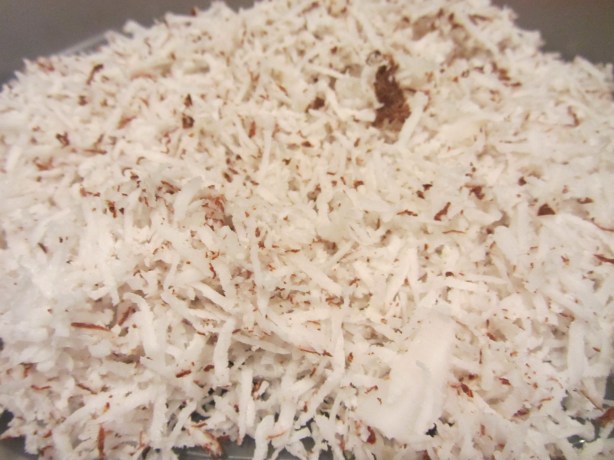
IMG_5090

Shredded fresh coconut.

Additionally, for this recipe you will need 15-20 count shrimp (cleaned and de-veined), cornstarch, Kosher salt, white pepper, cayenne pepper, egg whites, and peanut oil. Begin by combining 1/2 C cornstarch, 1/4t Kosher salt, 1/4 t white pepper, and 1/4 t cayenne pepper in a bowl.
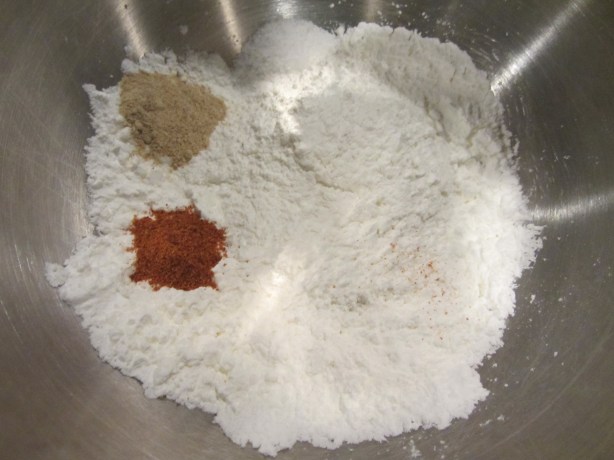
IMG_5088

Cornstarch, Kosher salt, white pepper, and cayenne.

In a separate container, lightly beat 4 egg whites. While you heat peanut oil to 350 degrees on the stove, you can prep your shrimp for frying by coating them in the cornstarch mix, dipping them in egg whites, and subsequently dipping them in your shredded coconut.

Fry the shrimp in the peanut oil for about three minutes, or until golden brown.

Serve the shrimp with Alton’s peanut sauce and lime wedges.
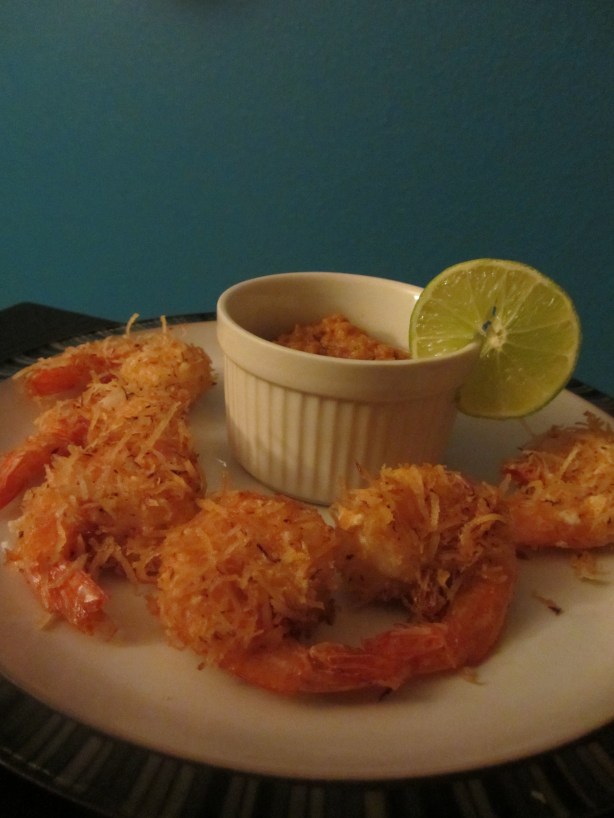
IMG_5105

Coconut shrimp with peanut dipping sauce.

Alton did not prepare the peanut sauce in the episode, but the recipe can be found with the shrimp recipe. To make the peanut sauce, combine in a food processor 1/4 c chicken stock, 3 ounces coconut milk, 1 ounce lime juice, 1 ounce soy sauce, 1 T fish sauce, 1 T hot sauce, 2 T chopped garlic, 1 T chopped ginger, 1 1/2 C peanut butter, and 1/4 C chopped cilantro.

I am not the biggest shrimp fan, but I thought this recipe was pretty fantastic. The coconut coating was super crispy and light, while the shrimp were tender, and the peanut sauce was spicy, tangy, and a great accompaniment. I plan to make this one again for sure.

Chocolate Coconut Balls

Keeping with the coconut theme, the second recipe in this special episode was for chocolate coconut balls. Coconut-wise, Alton did not specify that you use fresh coconut in this recipe. I happened to have some leftover fresh coconut from the coconut shrimp recipe, so I used the rest of that, along with some store bought shredded coconut. You will also need toasted macadamia nuts, which you can toast in a 325-degree oven for about 10 minutes, or until golden brown. In case you do not already know, macadamia nuts are toxic to dogs, so be sure to keep these away from your pups.
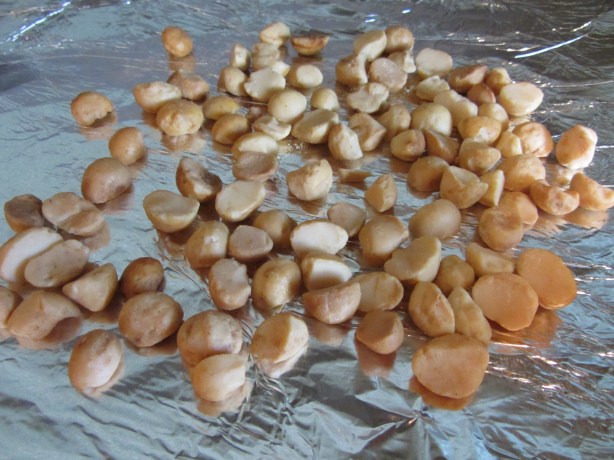
IMG_5148

Macadamia nuts, after toasting in the oven.

Dump 1/2 pound shredded coconut in a bowl, along with 1 C toasted macadamia nuts, chopped. Add 1 C sweetened condensed milk and 1 1/2 t almond extract. Using your hands, mix everything really well and form the coconut mixture into 3/4″ balls, setting them on a foil-lined baking sheet. This mixture is quite sticky and you really need to compress it to form it into balls.

Let the formed coconut balls sit at room temperature for four hours to dry out.

IMG_5154

Coconut formed into balls.

Once dry, dip the balls in 12 ounces of semisweet morsels melted with 1 T shortening.

Let the balls sit until the chocolate has set up.

These are quite a tasty treat, tasting a lot like a Mounds candy bar. The macadamia nuts add a nice crunch, though I don’t know that I could discern what type of nut is in these. The coconut stays fairly moist and the chocolate sets up fairly well. My mom has a huge sweet tooth and recently had back surgery, so I took a couple of these balls to her yesterday to cheer her up. She dove right in and seemed to like them quite a lot. This is an easy recipe for a fun treat.

Island Ceviche with Pickled Onions

Of all the recipes in this episode, the ceviche recipe was definitely the one I was most excited to try. I absolutely love ceviche, first having it years ago with my dad at a restaurant called Aqua in San Francisco; I was amazed at the light, bright flavors in ceviche, instantly becoming a fan. We are very lucky now because we have an excellent ceviche restaurant in our town, which was opened just a few months ago by Chad White, a chef who competed on the last season of Top Chef. I was seriously excited to try my own hand at ceviche in my own kitchen, and Alton’s recipe seemed like a good place to start. To start, cut 1/2 pound of firm white fish into bite-sized pieces. Place the fish, along with 1/2 pound of bay scallops into a bowl with 6 ounces of fresh lime juice. Toss the fish to coat and refrigerate overnight. The online recipe tells you to sear the fish in a pan, but Alton did not do that in the episode.

When I went to finish prepping my ceviche, some of my scallops still looked raw in the middle, so I left my fish in the lime juice longer. Once your fish is ready, drain the lime juice from the fish and add 1 medium papaya, peeled, seeded, and diced. Also add 2 seeded and diced plum tomatoes, 4 seeded and diced serrano peppers, 1 C diced sweet onion, 1/2 C chopped cilantro, and 1 seeded and diced jalapeno. Toss to combine.

Add 1 T white wine Worcestershire (this is now sold as a marinade for chicken), 1 T Mexican hot sauce, and 2 oz tomato juice.

Serve the ceviche in empty papaya skins, along with pickled red onions. Though Alton did not make the pickled onions in the episode, his recipe is included with the fish recipe. For his onions, bring 8 oz champagne vinegar to a boil, along with 1/2 C sugar and 2 seeded serrano peppers.
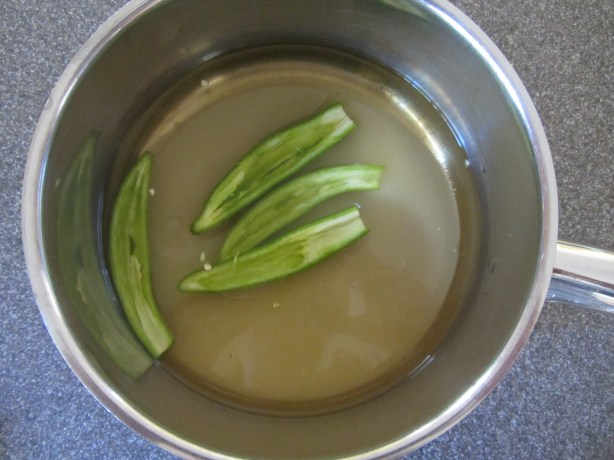
IMG_5017

Serranos, sugar, and champagne vinegar.

Pour the hot vinegar over 2 sliced red onions.

When I served our ceviche, I skipped using the papaya skins as bowls, and served tortilla chips on the side.
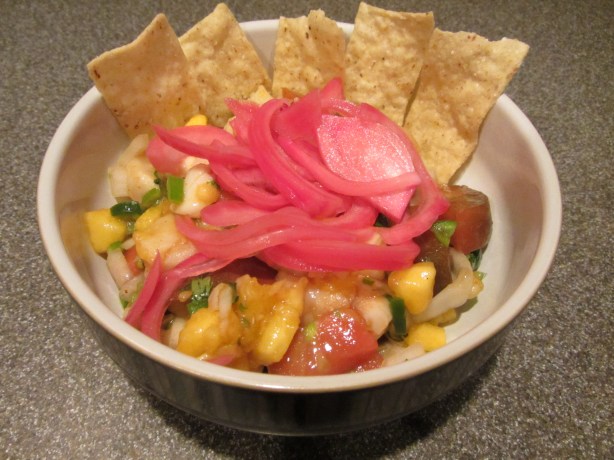
IMG_5051

A bowl of Alton’s ceviche with pickled onions and tortilla chips.

We really liked the overall flavors in this ceviche, though we should have purchased higher quality fish. While the scallops were nice and mild, our fish was slightly “fishy.” I would like to try this again with high quality fish. Definitely do not skimp on the quality of fish if you choose to make this. I liked the inclusion of the papaya in this recipe and the pickled onions are a great garnish. With all of the peppers in this, it does have a decent amount of heat, but it is not overpowering. I think this recipe is probably amazing, but I just couldn’t get past my fishy fish.

Papaya Soup

You can’t really have an island-themed episode without including some recipes that center around tropical fruit. Enter:  papaya soup. When watching Alton prepare this recipe, I was not quite sure what I would think of it. I opted to prep it as a side dish for us. When purchasing papayas, look for fruit that is about 80% yellow and without large discolorations or bruises. If you plan to let your papayas ripen on the counter at home, set them stem side down for even ripening. For this soup, you will need 4 papayas (I opted for two since I was only prepping two servings), fresh mint, 3 limes, 2 lemons, fresh berries, fresh ginger, sugar, and water.

IMG_5132

Ingredients for papaya soup: papayas, lemons, limes, fresh mint, berries, and ginger. Not pictured: sugar and water.

Begin by peeling, seeding, and dicing your papayas, dividing the fruit evenly in your serving dishes. Add 2 T chopped mint.

IMG_5134

Fresh papaya.

IMG_5136

Fresh papaya and mint.

Meanwhile, dissolve 1 C sugar in 1 C boiling water. Once the sugar is dissolved, add the juice of 3 limes and 2 lemons.

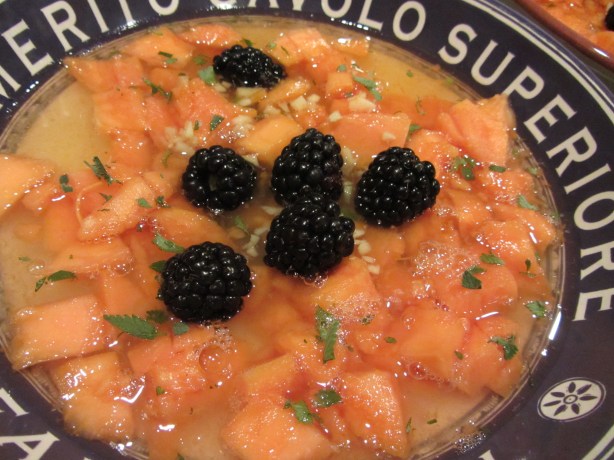
Pour the hot sugar/citrus liquid over the fruit and mint; I opted not to use all of the liquid, as it just seemed like too much for the amount of fruit I had. Add some fresh berries and chopped ginger for garnish, and serve.
IMG_5141

Alton’s papaya soup, garnished with berries and fresh ginger.

We both were pleasantly surprised by this dish. Though this was sweet, the sweetness was nicely balanced with the tang from the lemons and limes. The fresh ginger also really helped to cut the sweetness. Having not cooked much with papaya, I really liked the fruit in this dish. Honestly, you could serve this as a light dessert in the summer also. This is definitely an unusual dish that is pretty, interesting, and comes together in a matter of minutes.

Mango Salad

There is no online link for this next recipe, but I’ll write it up as Alton made it in the episode. I am an absolute mango freak, so I knew I’d really like this one. Toss together 2 diced mangoes, 1 sliced red onion, the juice of 1-2 Key limes (I used bottled juice), 1 T fresh mint or basil (basil for me), black pepper (a fair amount), and some feta cheese.

Let sit at room temperature for 1 hour before serving. This was a great salad, which we ate alongside the coconut shrimp.

IMG_5087

Completed salad with feta.

This salad has the sweetness of mango, the bite of red onion, the tang of lime, the saltiness of feta, and the spice from pepper. In a nutshell, it has a little bit of everything. Super tasty.

Mango Chutney

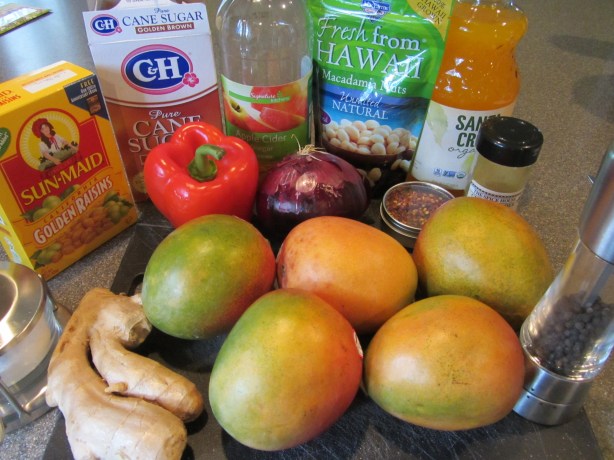
I grew up eating chutney, as a condiment on my grandma’s curry. Though I never knew my grandmother, my parents served her curry recipe to me from an early age, and it has been a favorite meal of mine for years. A blend of spices, onions, raisins, and apples, this wonderful curry is served over rice with bacon, hard-boiled egg, banana, peanuts, bean sprouts, and chutney as condiments. I do not recall ever eating homemade chutney when having curry, so I was really stoked to see how homemade chutney would pair with Grandma’s classic. So, last week I whipped up a batch of Alton’s chutney. The ingredients needed for Alton’s chutney are vegetable oil, chile flakes, red bell pepper, red onion, mangoes, fresh ginger, brown sugar, curry powder, mango juice, cider vinegar, macadamia nuts, golden raisins, white pepper, and Kosher salt.
IMG_5054

Ingredients for chutney: Kosher salt, golden raisins, ginger, brown sugar, red bell pepper, cider vinegar, red onion, macadamia nuts, chile flakes, mango juice, curry powder, pepper, and mangoes.

First, heat 3 T vegetable oil in a pan and add 1/2 t chile flakes, cooking until fragrant.

IMG_5056

Chile flakes heating in oil.

Add 1 C diced red bell pepper and 2 C diced red onion, and sweat over low heat for about 5 minutes.

Next, add 4 pounds mangoes, diced, along with 1/4 C minced ginger. Cover the chutney and allow it to cook for three minutes, or until the mangoes soften.

Stir in 1/2 C brown sugar, 1 T curry powder, 8 ounces mango juice (I used a mango lemonade), and 4 ounces cider vinegar. Simmer the chutney for 30 minutes, stirring occasionally.

Finally, add 1/2 C golden raisins and 1/2 C toasted/chopped macadamia nuts (you can toast them at 325 degrees for about 10 minutes). Season the chutney to taste with white pepper and Kosher salt.

IMG_5071

Raisins and macadamia nuts stirred into chutney.

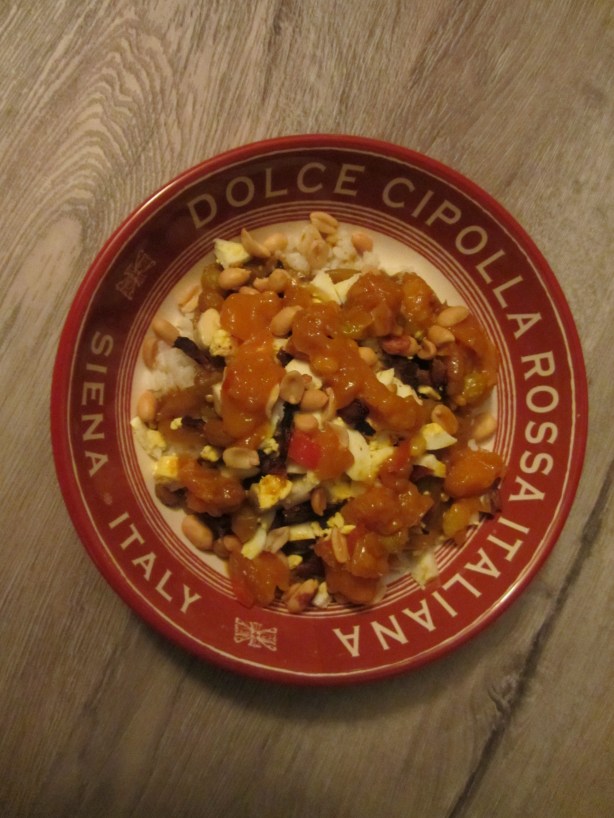
This recipe makes a fairly large batch of chutney, so I opted to divide mine among small jars to freeze. Of course, I had to try the chutney over Grandma’s curry.
IMG_5181

Alton’s chutney over my grandma’s curry.

Let me tell you, this chutney is fantastic. It is sweet, tangy, tart, and bright, with a faint hint of heat. Honestly, I think it makes my grandma’s curry better than ever. I am anxious to share it with my parents to see what they think. You really could use this curry in a variety of ways – using it anywhere you would use other condiments. I will absolutely make this again.

Spicy Pineapple Slices

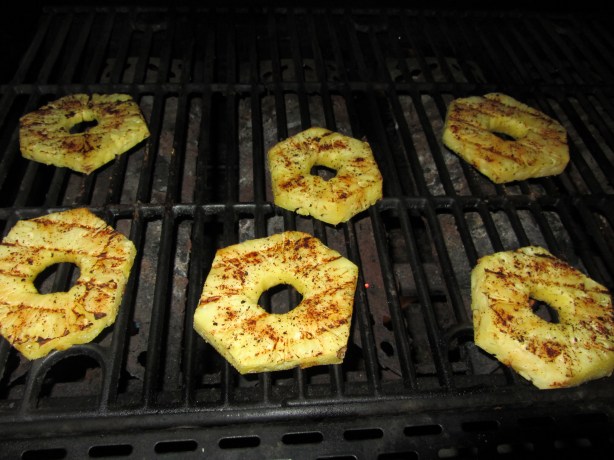
Recipes don’t come much easier than this one. Simply peel, core, and slice pineapple, sprinkling it evenly with Kosher salt, pepper, and chili powder.

Grill the slices until tender and warm.
IMG_5167

Pineapple slices on the grill.

We ate this as a side dish, alongside sandwiches, and we both thought it was great.

IMG_5172

Delicious grilled pineapple.

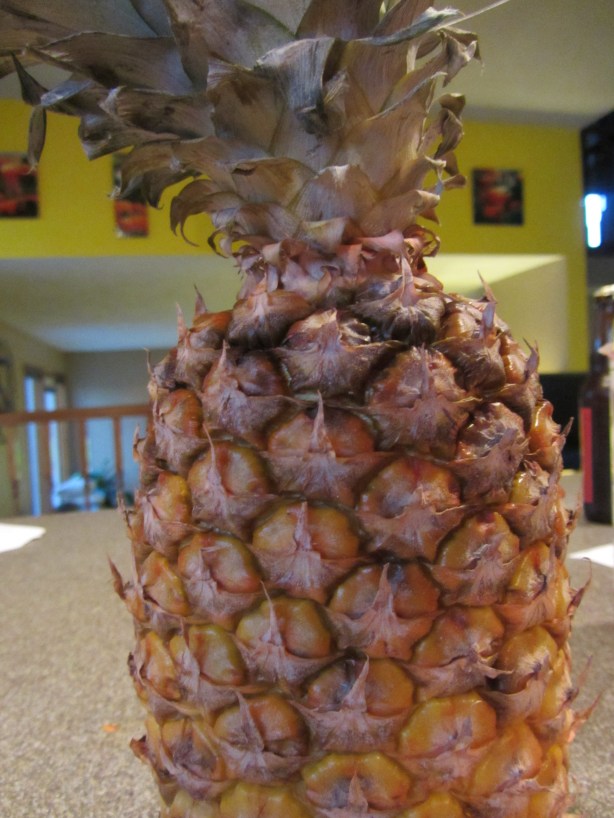
The heat of the chili powder is fantastic with the sweetness of the fruit. What are Alton’s tips for selecting pineapples?  First, pick fruit that sounds solid when you thump it. Also, look for large fruit that is about 50% yellow and 50% green, as pineapples do not ripen further post-harvest. Small crowns are desirable because large crowns indicate that a pineapple has used up its sugars.
IMG_5161

Large pineapple, small crown. About 50/50 yellow/green.

Sweet and Sour Pork

Last, but not least, Alton’s sweet and sour pork finished out this episode. Note that there is another recipe online for coconut macaroons, but Alton did not make those in the episode, so I did not make them either. You will have to start Alton’s sweet and sour pork the night before you plan to serve it. Start by making a marinade of 2 t minced garlic, 1 T minced ginger, 2/3 C soy sauce, 1/4 C flour, and 1/4 C cornstarch.

IMG_5075

Garlic, ginger, soy sauce, flour, and cornstarch combined for marinade.

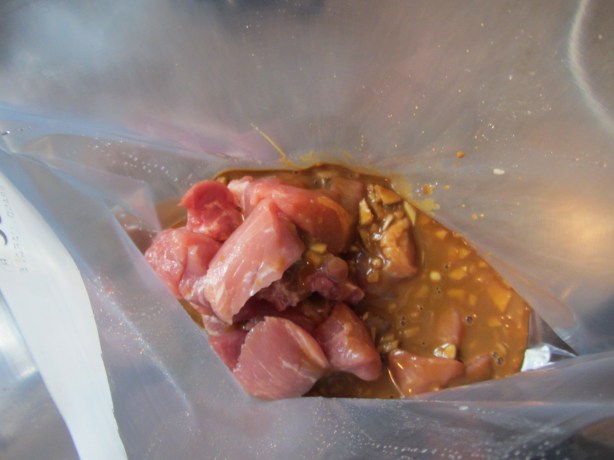
To the marinade, add 1 pound of cubed pork that has been seasoned with Kosher salt, and allow the meat to marinade overnight.
IMG_5078

Pork in marinade overnight.

The following day, drain the marinade from the pork and dredge the pork cubes in flour that has been seasoned with salt and pepper.

Fry the pork in 375-degree peanut oil until golden brown, and set aside.

In a skillet, heat 1 T peanut oil with 2 t sesame oil. Add 1/3 C each of diagonally sliced carrot, diced onion, and diced celery.

IMG_5108

Celery, onion, carrot, red bell pepper, and green bell pepper.

IMG_5120

Onion, celery, and carrot, sauteeing in oil.

Cook the vegetables until they are translucent. Add 1/3 C diced red bell pepper, 1/3 C diced green bell pepper, and 1 C chopped pineapple.

IMG_5123

Bell peppers and pineapple added to pan.

Next, add the fried pork to the pan, along with a mixture of 1 C ketchup, 1/4 C red wine vinegar, 1/4 C sugar, and 1 1/2 ounces honey.

IMG_5124

Sauce and pork added to pan.

Cook over low heat until the pork is tender and heated through.

IMG_5126

Cooked until pork was heated through.

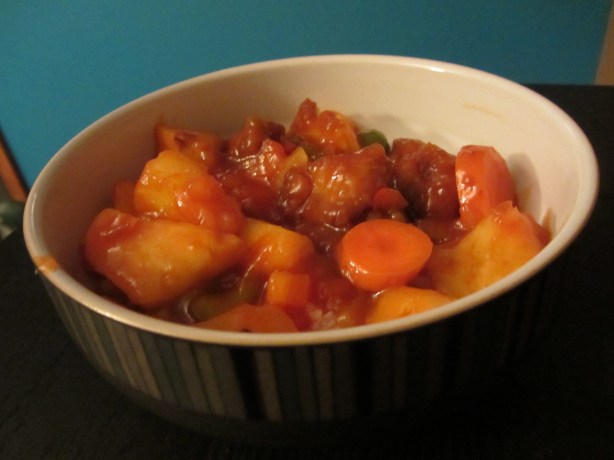
I served Alton’s sweet and sour pork over rice and we thought it was really good.
IMG_5128

Alton’s sweet and sour pork over rice.

The pork was tender inside and slightly crispy on the outside, but far from greasy. The sauce was a perfect blend of sweet and sour flavors. Alton’s version of this classic is a good one.
I have been sort of forced into a project hiatus, as we moved this week. It is quite amazing to see just how much stuff you can accumulate after living in a home for five years, as well as how much of a process it is to move a mere three miles. As I type, I still have boxes on either side of me, but the kitchen items are largely put away, so that is a good start! A few days prior to moving, I tackled the recipes in the 28th episode of Good Eats, but I am only now getting to writing the post about them. It actually has worked out well since this episode is about pickles and you want to let them sit a bit before really eating them anyway. Plus, I am a huge pickle fan, so this was a fun episode for me to do. My mom and I have made pickles nearly every summer for the past several years, and they are a great way to taste seasonal produce year-round.

AB’s B and Bs

Bread and butter pickles are first up in this episode. While I like pretty much any type of pickle, I tend to prefer pickles that are more on the savory, rather than the sweet, side. To make Alton’s version of these, you combine half of a sliced onion and two thinly sliced cucumbers in a spring-top jar.

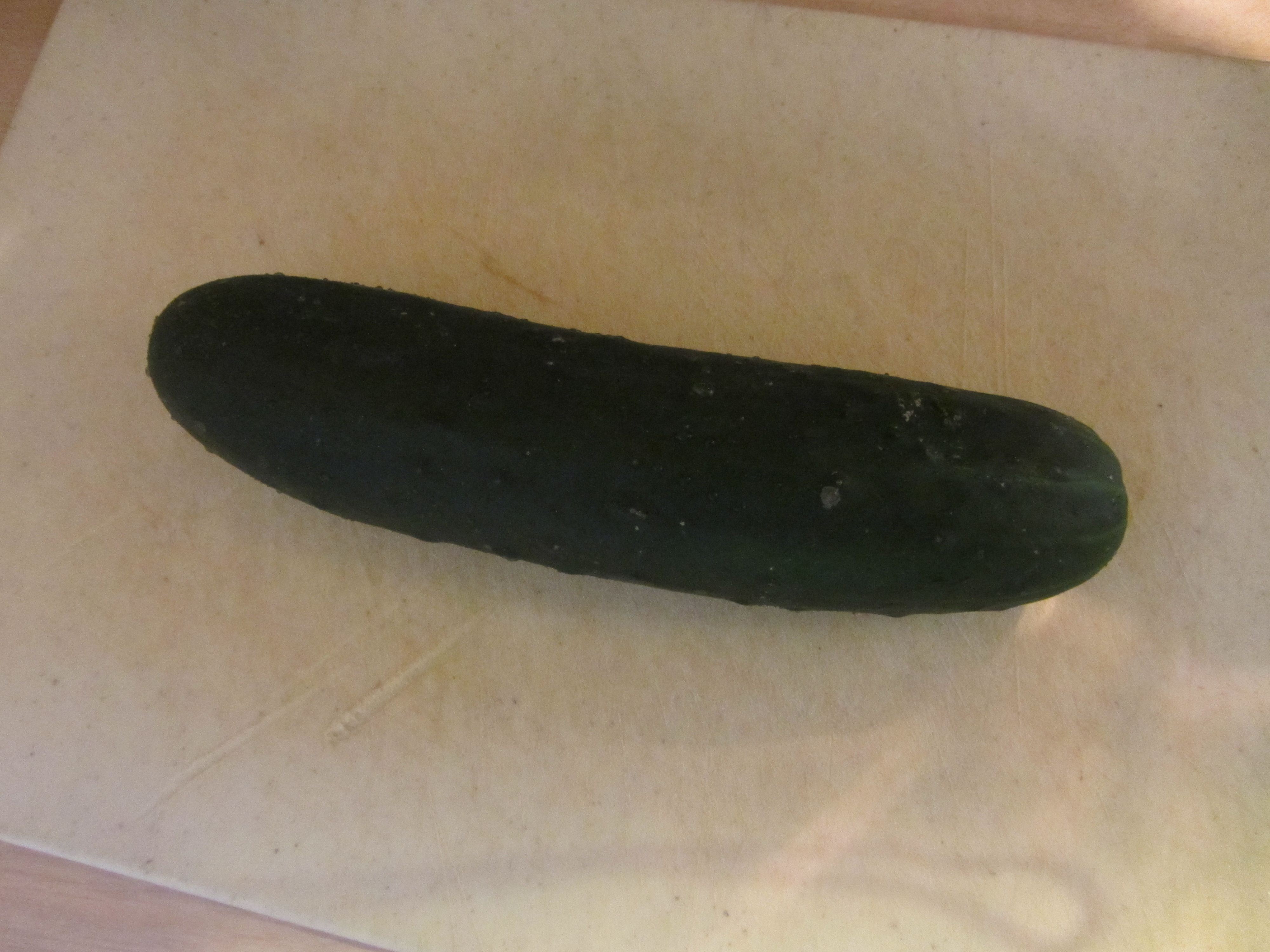
Whole cucumber.

Whole cucumber.

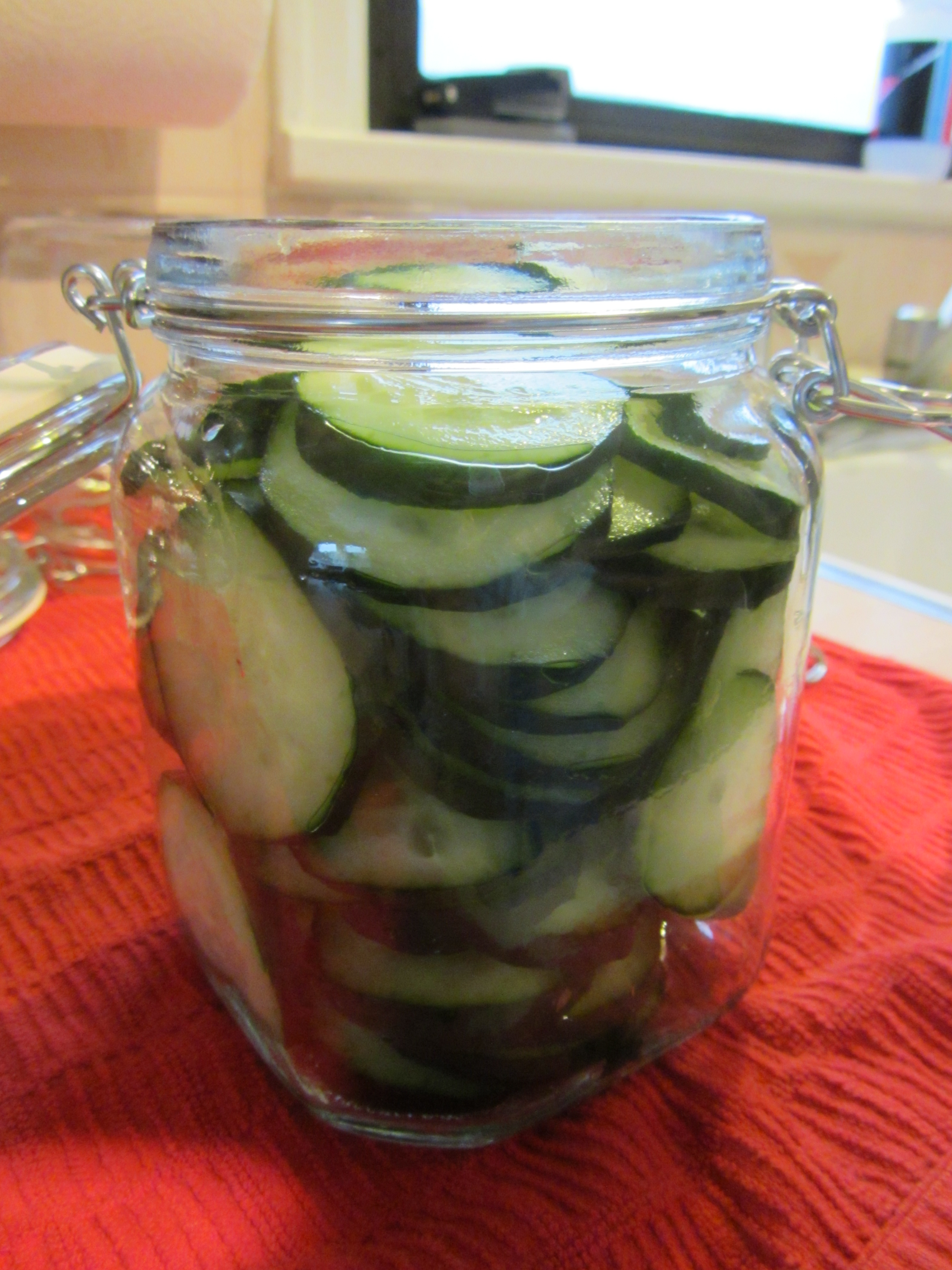
Sliced cucumbers in a jar.

Sliced cucumbers in a jar.

Cucumber slices in a jar. Note:  I forgot to add the onion to the jar initially, so I ended up adding it after I had put the brine in.

Cucumber slices in a jar. Note: I forgot to add the onion to the jar initially, so I ended up adding it after I had put the brine in.

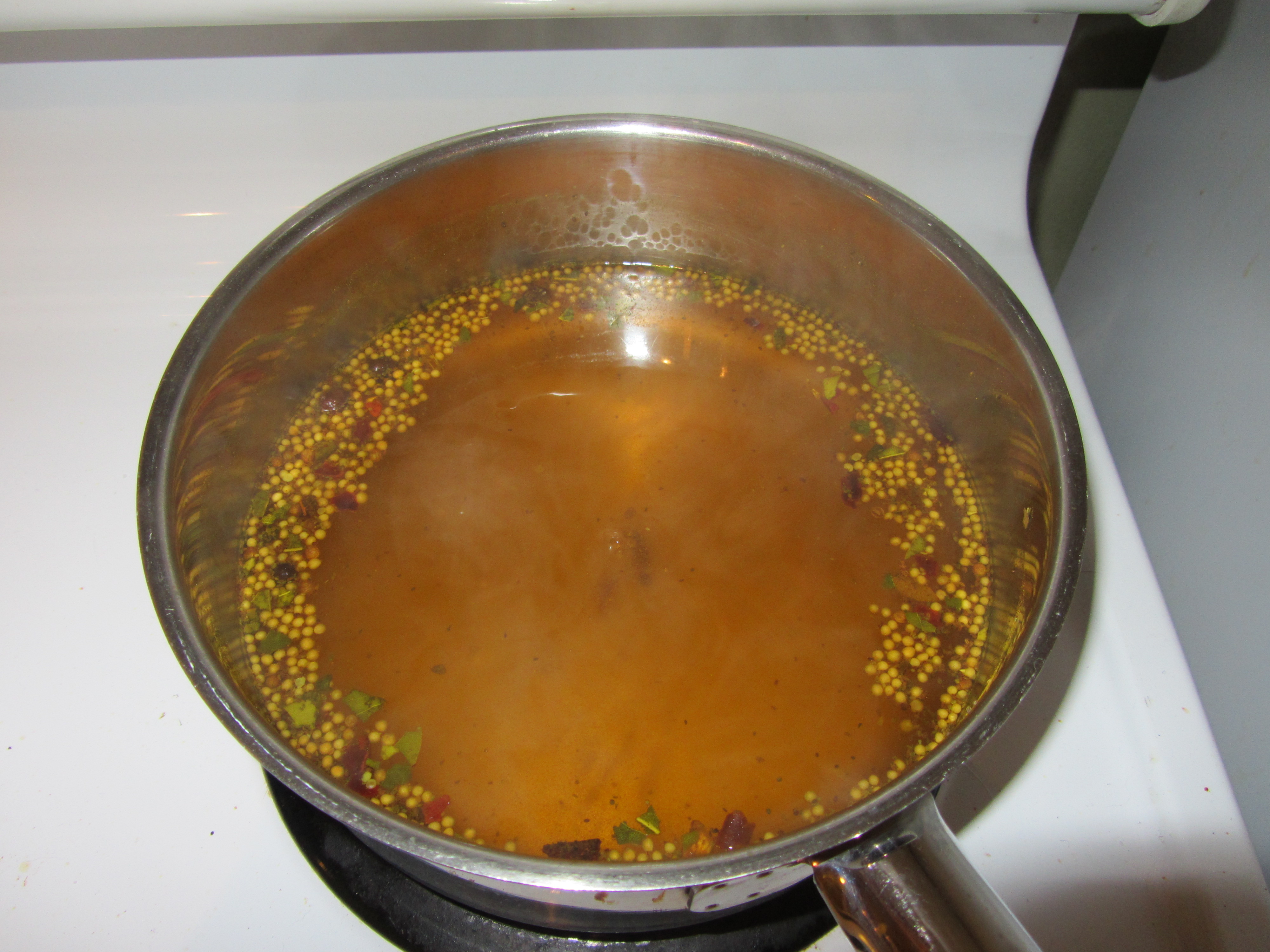
I somehow managed to forget the onion completely, so I added it after my pickles were all completed. Oops. I opted to slice my cucumbers by hand, but a mandolin would always be a great choice. The brine for these pickles is made up of water, cider vinegar, sugar, Kosher salt, mustard seed, turmeric, celery seed, and pickling seasoning. All of these ingredients go into a saucepan, are brought to a boil, and are simmered for four minutes.

Water, cider vinegar, sugar, Kosher salt, mustard seed, turmeric, celery seed, and pickling seasoning make up the brine.

Water, cider vinegar, sugar, Kosher salt, mustard seed, turmeric, celery seed, and pickling seasoning make up the brine.

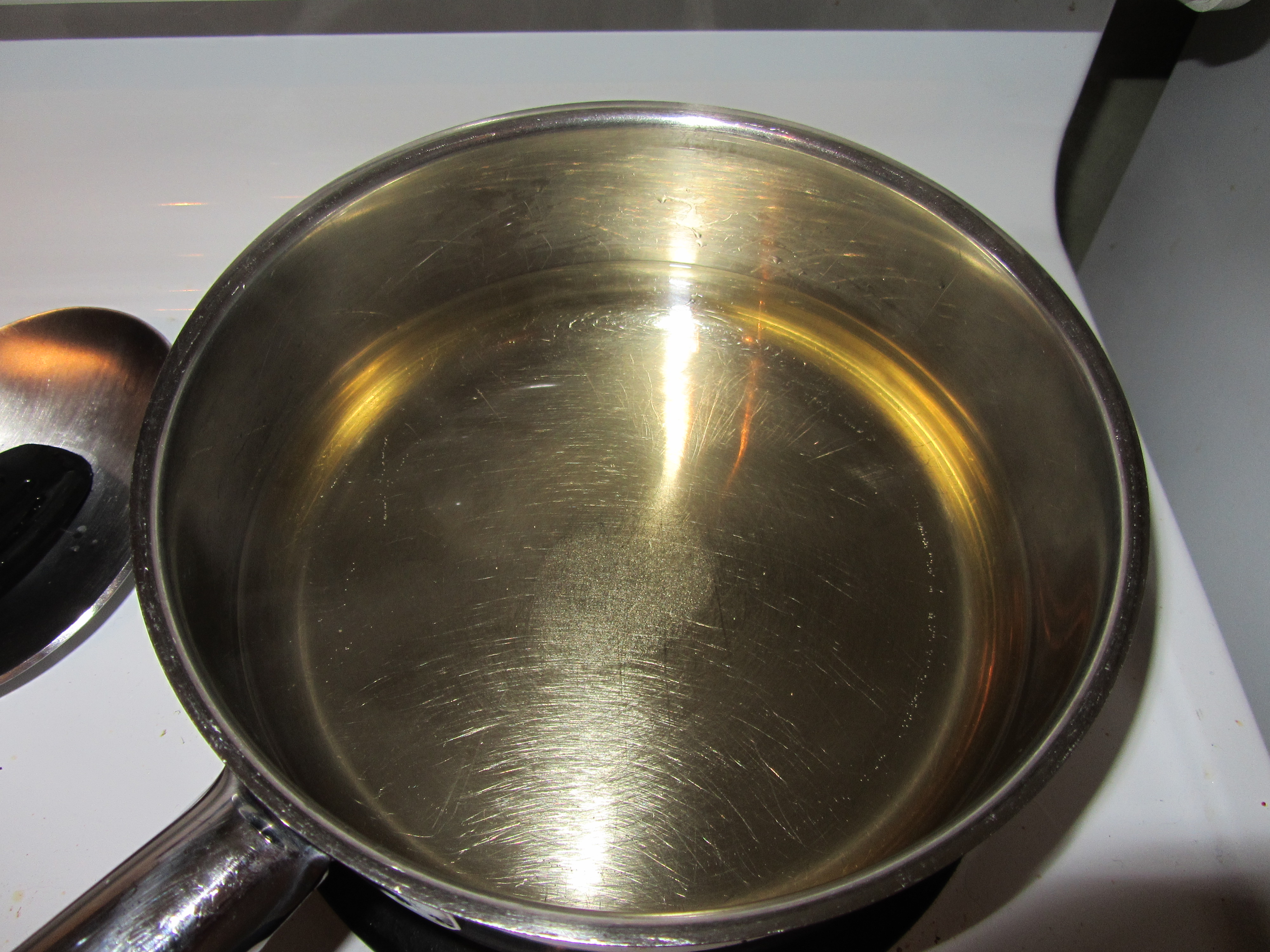
Simmering brine.

Simmering brine.

Alton says you only need to boil your brine if you are using whole spices, as it results in better spice extraction. Once your brine has simmered, pour it gently over the cucumbers in your jar.

Bread and butters.

Bread and butters.

AB's B and Bs.

AB’s B and Bs.

Let the pickles cool to room temperature before closing the top. You may have extra brine (I did), and you may want to top the jar off after the pickles have cooled. Stick these puppies in the refrigerator, and they will keep for up to two months. I am quite happy with my bread and butter pickles. They have been in their brine for 10 days now, and they are really crunchy and flavorful. They are probably my favorite bread and butter pickles that I have ever had, as they are very well-balanced. They are tart and sweet, but not overly so. They also look pretty in the jar, and would be a great addition to a sandwich. Plus, they take mere minutes to make. Alton has done bread and butters proud with this one.

Kinda Sorta Sours

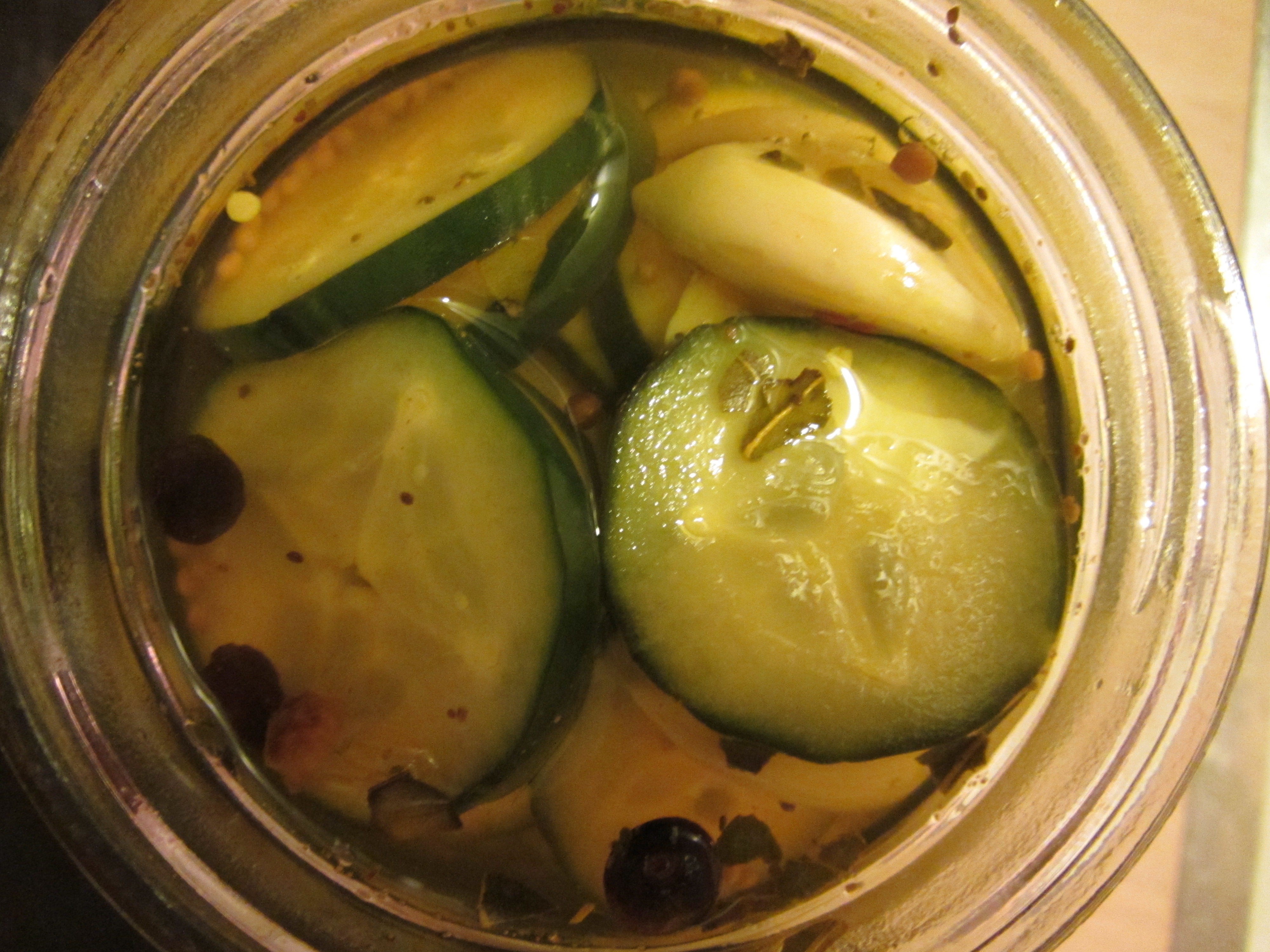
The second pickle recipe Alton makes in this episode is very similar to his bread and butter pickles, but it is more on the sour/savory side. Again, to begin these pickles, half of a sliced onion and two thinly sliced cucumbers go into a jar. I had run out of spring-top jars, so I used two regular quart canning jars. Note:  I had to make additonal brine to fill both of my jars.

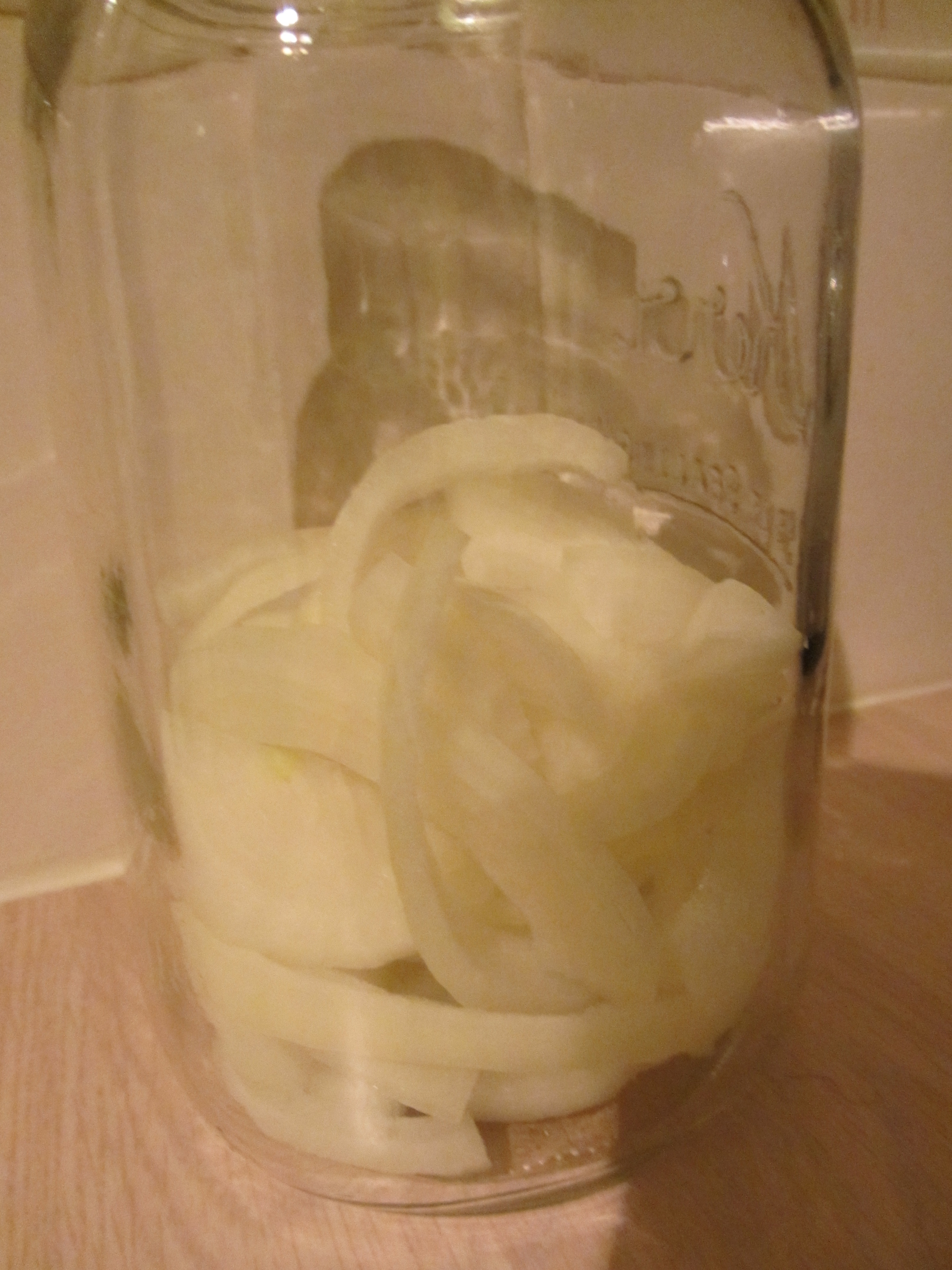
Onion in the pickle jar. Didn't forget it this time!

Onion in the pickle jar. Didn’t forget it this time!

Thinly sliced cucumber.

Thinly sliced cucumber.

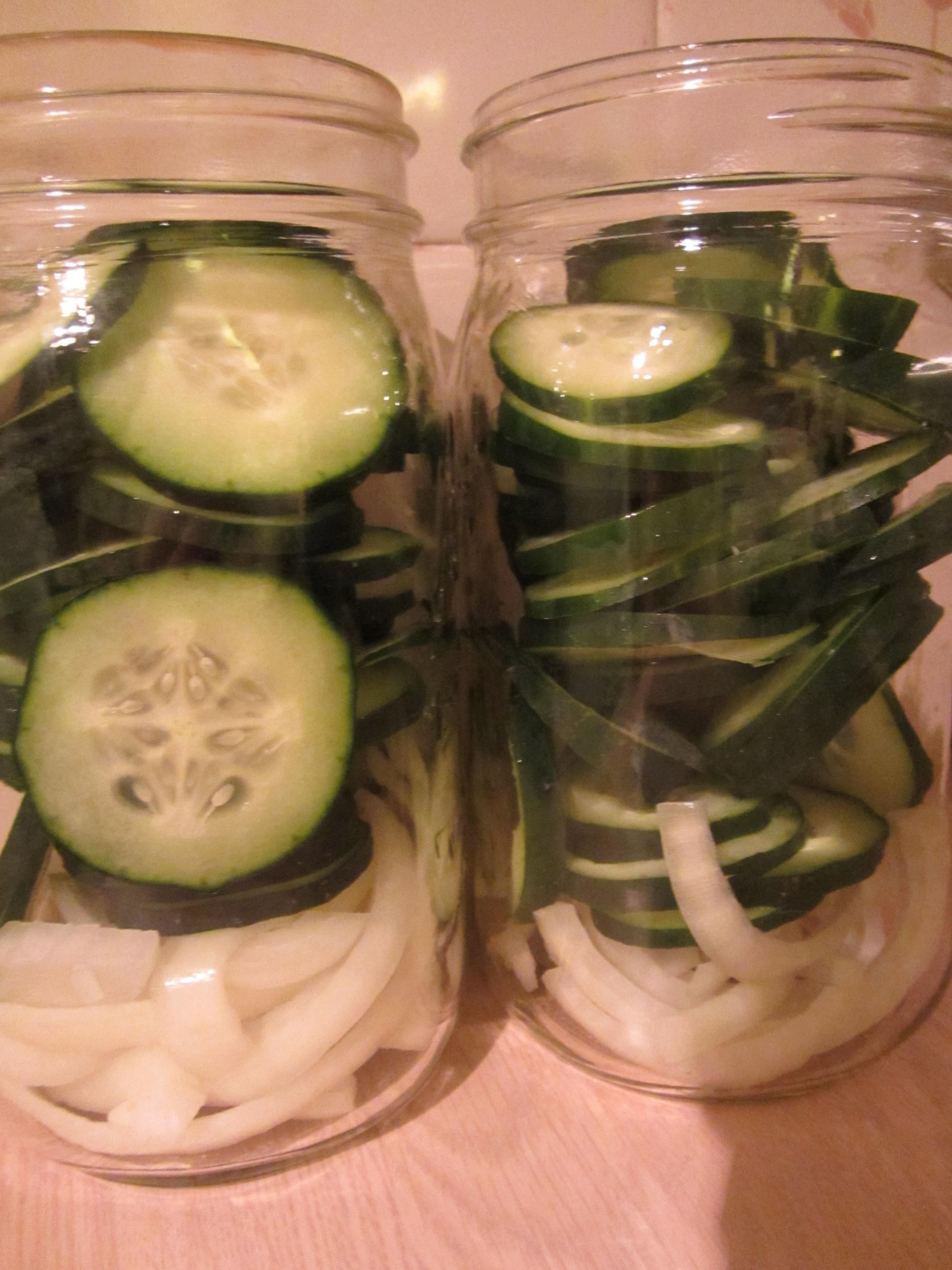
Cucumbers and onion in two quart jars.

Cucumbers and onion in two quart jars.

The brine this time includes water, cider vinegar, champagne vinegar, sugar, Kosher salt, mustard seed, turmeric, celery seed, and pickling seasoning.

Brine of water, cider vinegar, champagne vinegar, sugar, Kosher salt, mustard seed, turmeric, celery seed, and pickling seasoning.

Brine of water, cider vinegar, champagne vinegar, sugar, Kosher salt, mustard seed, turmeric, celery seed, and pickling seasoning.

In contrast to the bread and butter brine, this brine has less sugar, more salt, more mustard seed, less turmeric, more celery seed, more pickling seasoning, and the addition of champagne vinegar. The process is the same, except you add four crushed garlic cloves to the jar before adding the brine to the cucumbers and onions.

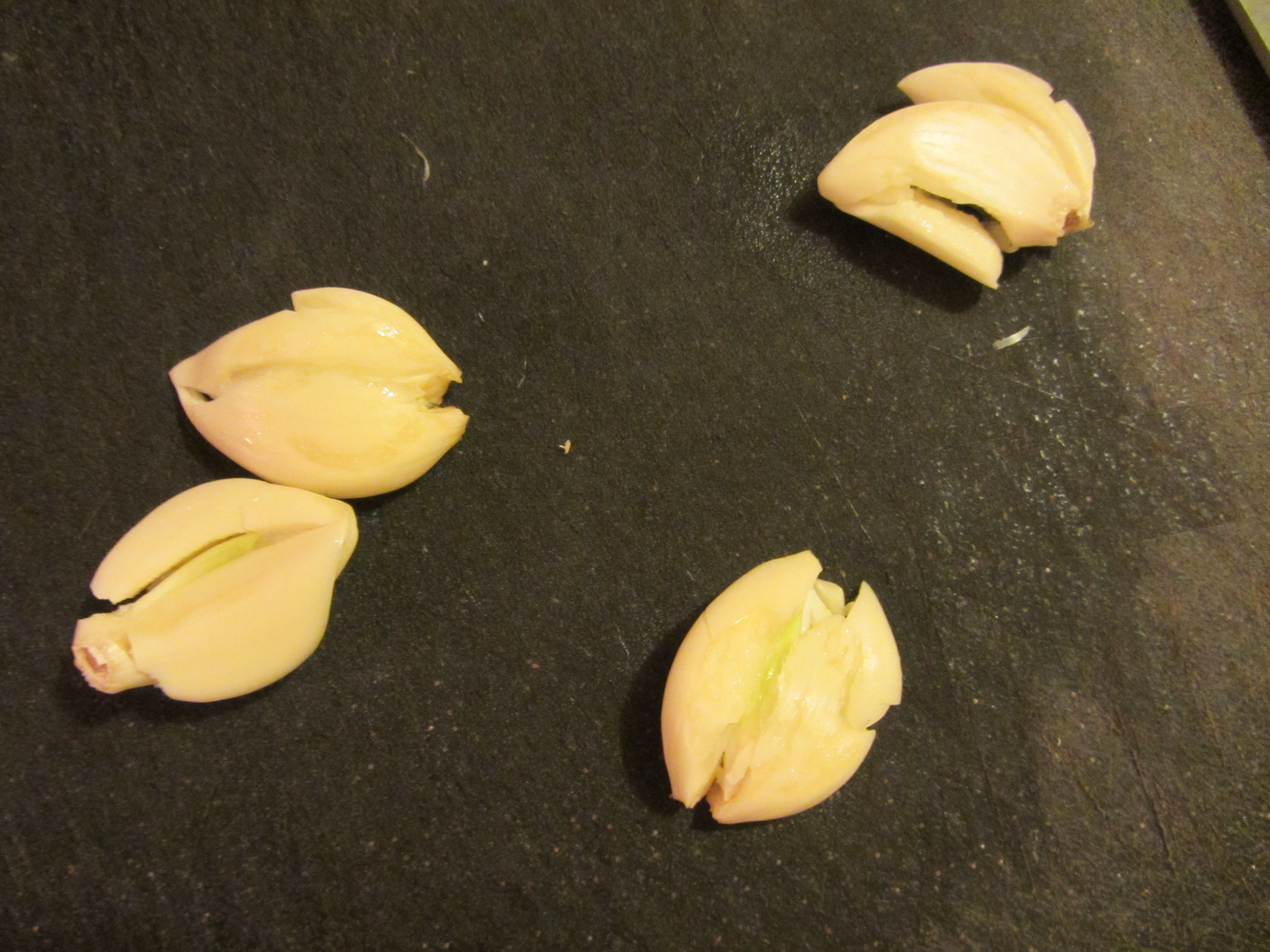
Four crushed garlic cloves into the jar.

Four crushed garlic cloves into the jar.

Simmering brine.

Simmering brine.
Brine poured over cucumbers.

Brine poured over cucumbers.

Kinda Sorta Sours.

Kinda Sorta Sours.

Let the pickles cool before closing, top them off with more brine, and put them in the refrigerator. These, too, will keep for up to a couple of months. I like these pickles quite a bit too. They have the same pleasantly crunchy texture of the bread and butter pickles, but they are much more savory. They really are almost sour. They would also be great on a sandwich. For a more savory cucumber pickle, this is the one to try.

Firecrackers

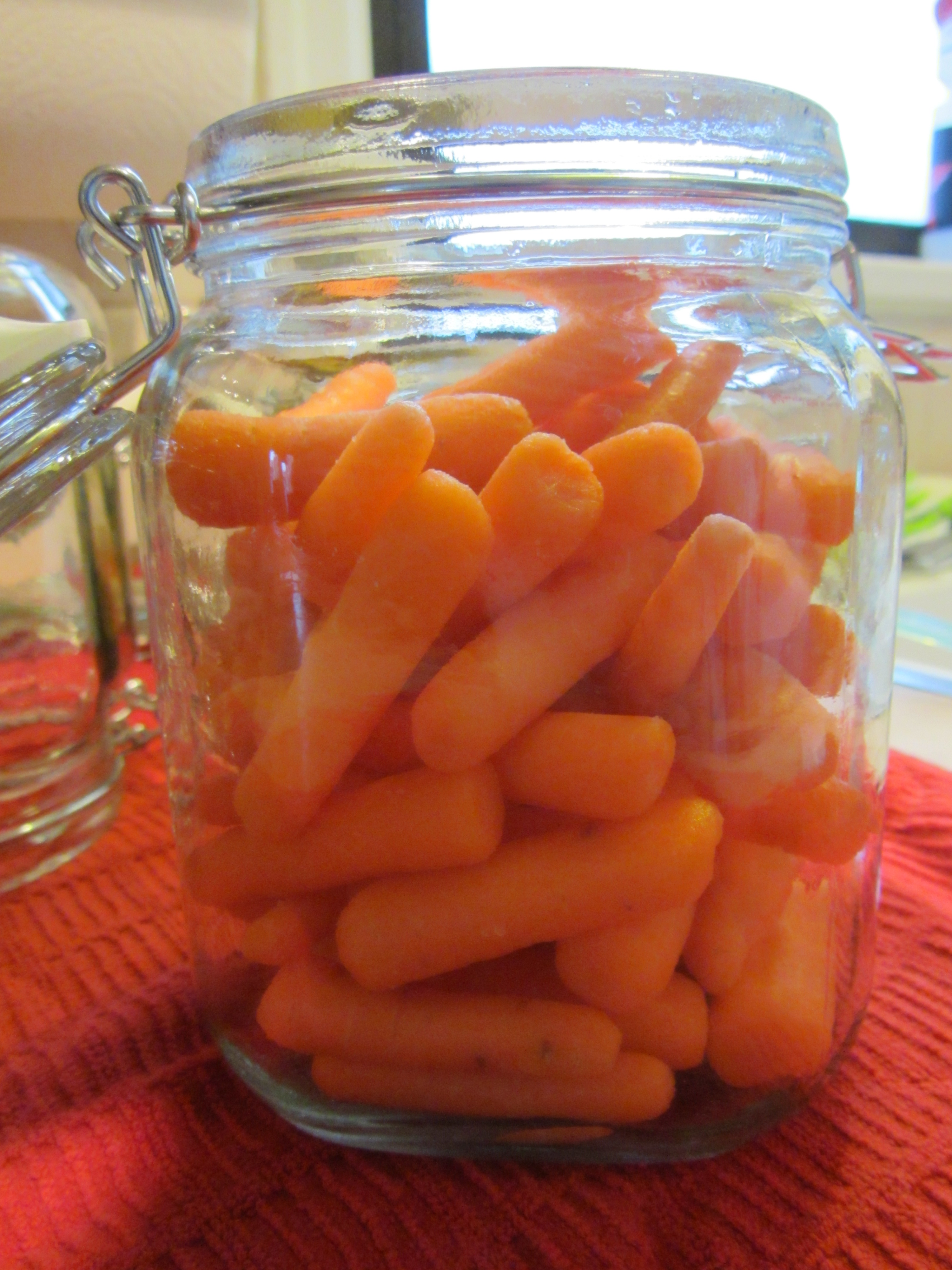
If you are looking for a more unique pickle to try, try making Alton’s Firecrackers. What are Firecrackers? They are crunchy, spicy, sweet, zesty pickled baby carrots. To make these, Alton tells you to put a half pound of baby carrots in a (you guessed it) spring-top jar. I weighed out a half pound of baby carrots and they only filled my jar half-way, so I wound up using about a pound of baby carrots.

A pound of baby carrots in the jar.

A pound of baby carrots in the jar.

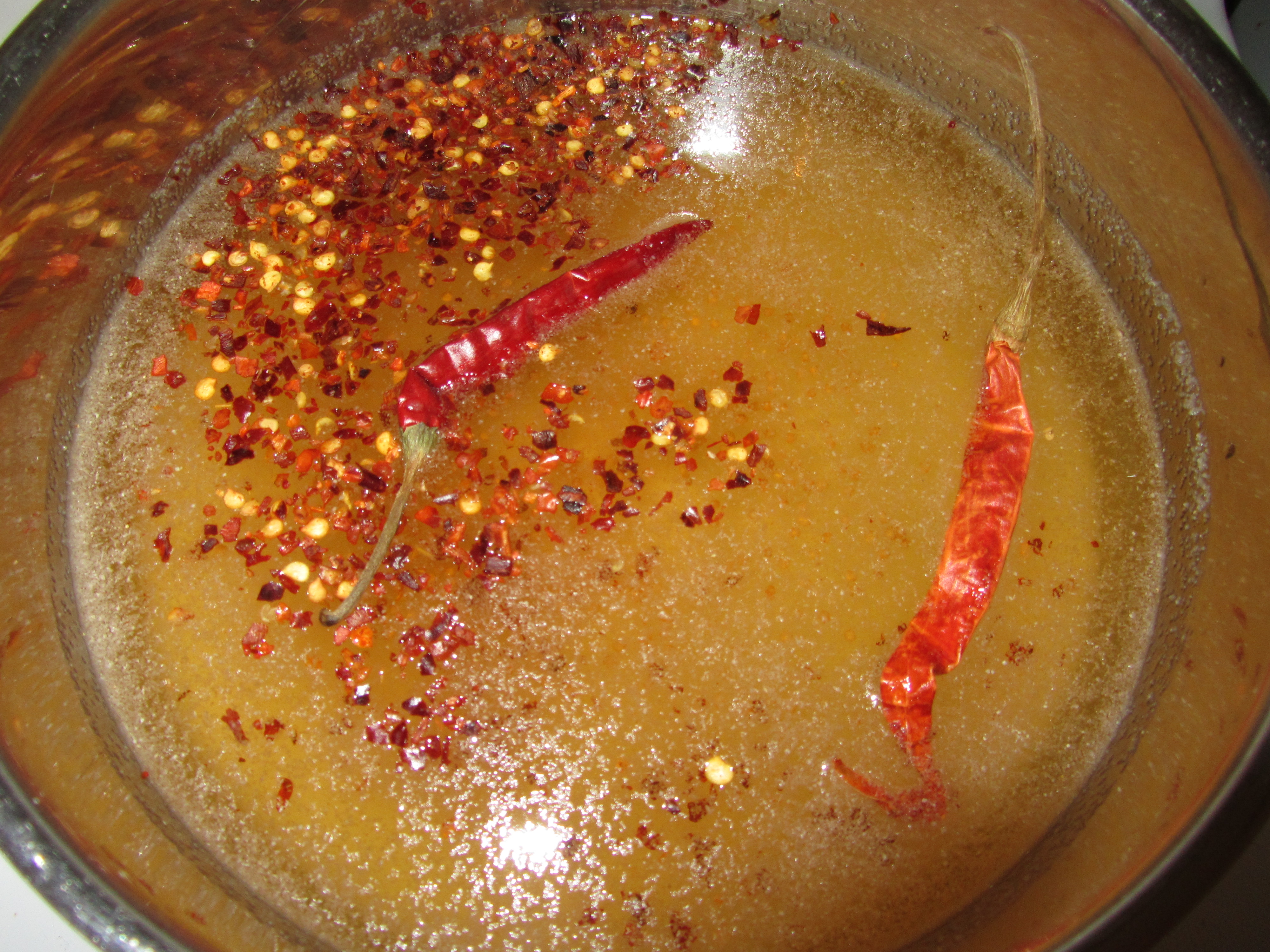
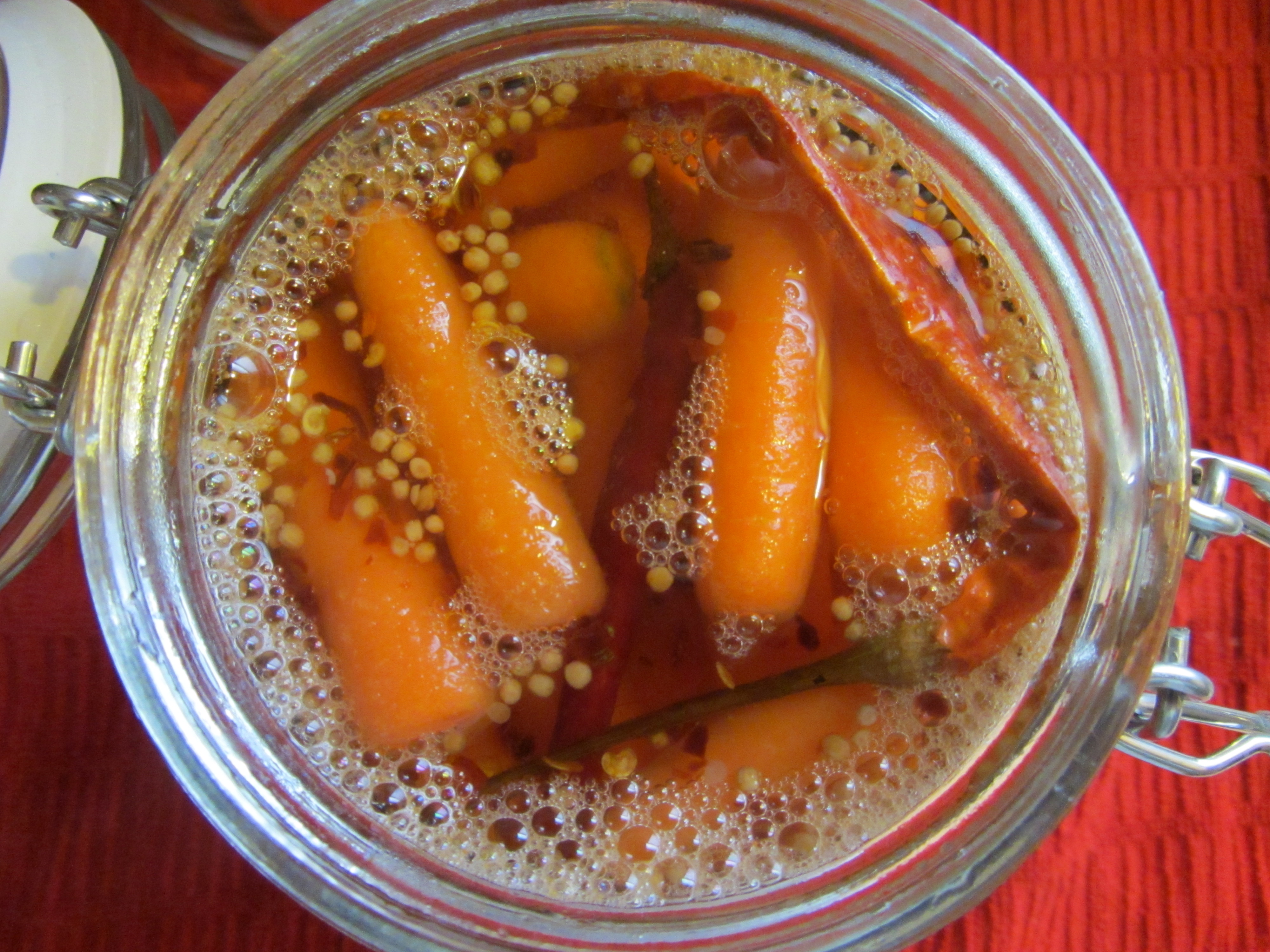
To make the brine, you combine water, sugar, and cider vinegar in a saucepan. To this, you add onion powder, mustard seed, Kosher salt, chili flakes, and dried chilies.

Brine ingredients:  water, sugar, cider vinegar, onion powder, mustard seed, Kosher salt, chili flakes, and dried chilies.

Brine ingredients: water, sugar, cider vinegar, onion powder, mustard seed, Kosher salt, chili flakes, and dried chilies.

Bring the brine to a boil, simmer it for four minutes, and pour it over the carrots.

Simmering brine.

Simmering brine.

Brine over carrots.

Brine over carrots.

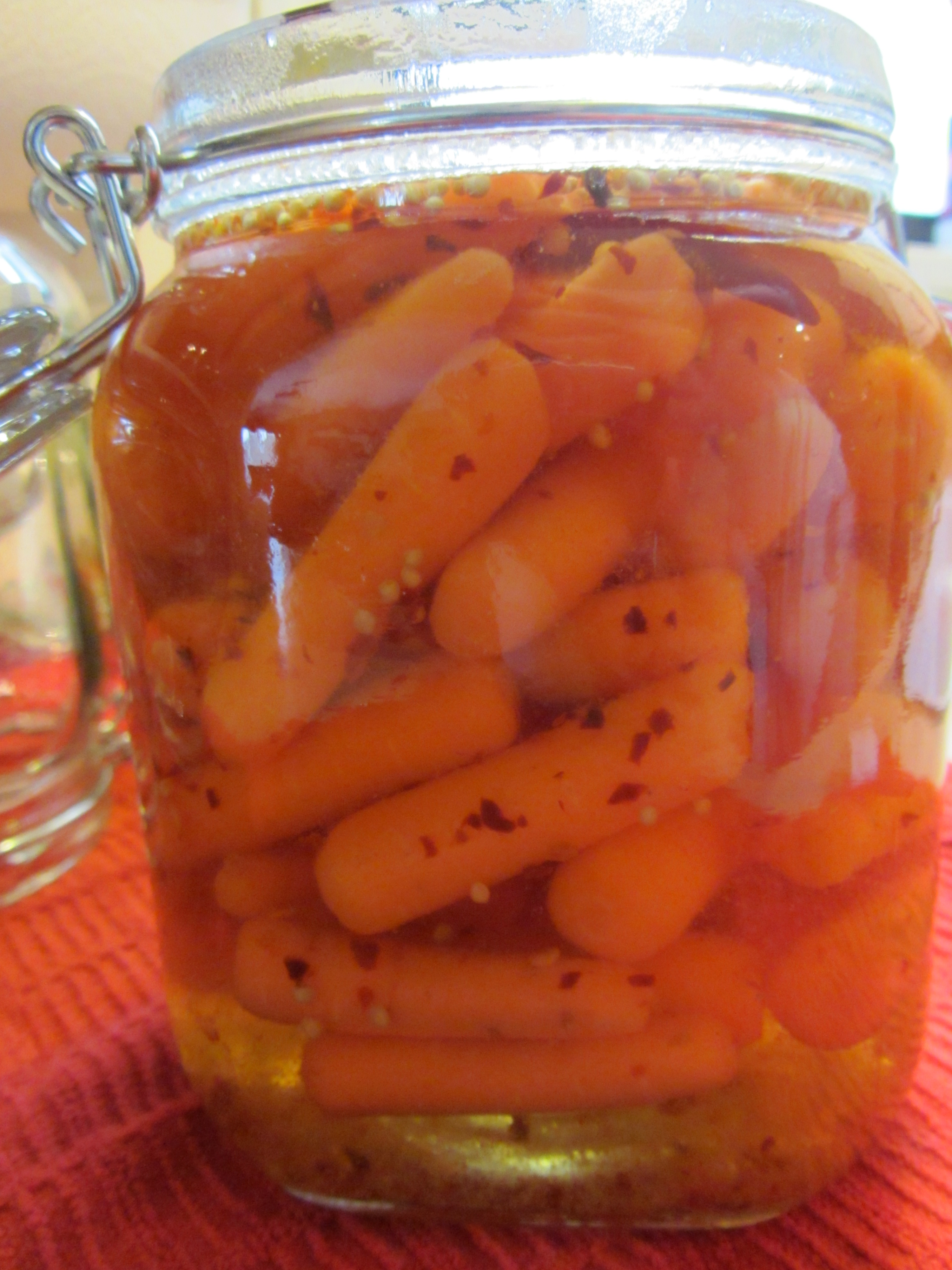
Firecrackers.

Firecrackers.

Let them cool, close the top, and refrigerate them. My firecrackers are 10 days out and they are only getting better. They are crispy and tangy, and the natural sweetness of the carrots come through. There is also a decent amount of residual heat. I ate some of these on a salad for lunch and they were great. I highly recommend these, especially if you like a little kick to your pickles.

Summer Fruits

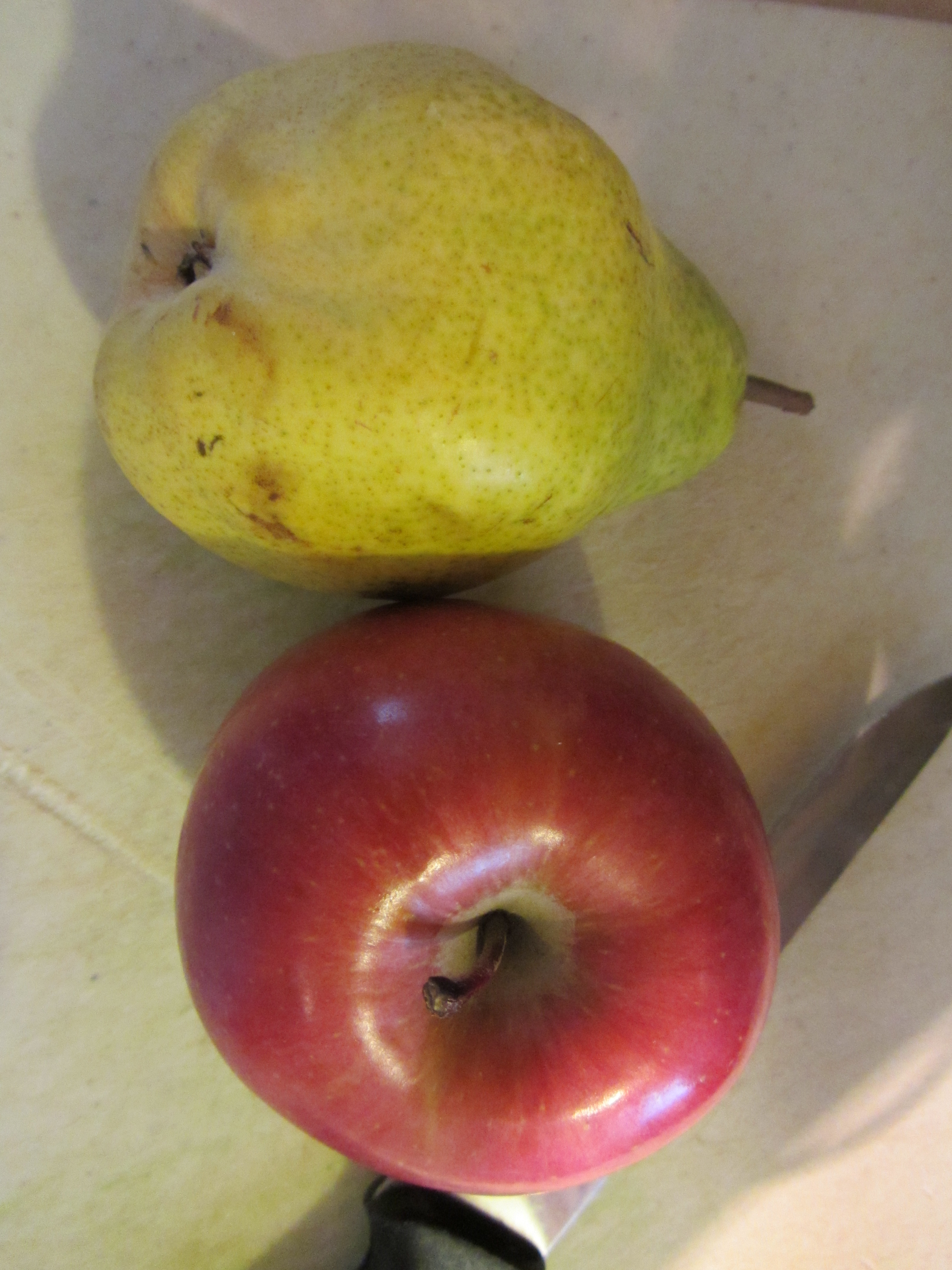
Alton’s next next recipe is quite different because it is for fruit pickles. This was my first fruit pickle attempt. Alton calls for you to pickle one Bartlett pear and one red plum. Seeing as it is January, I could not find a red plum, so I substituted an apple (Fuji, I think) for the plum.

Bartlett pear and an apple.

Bartlett pear and an apple.

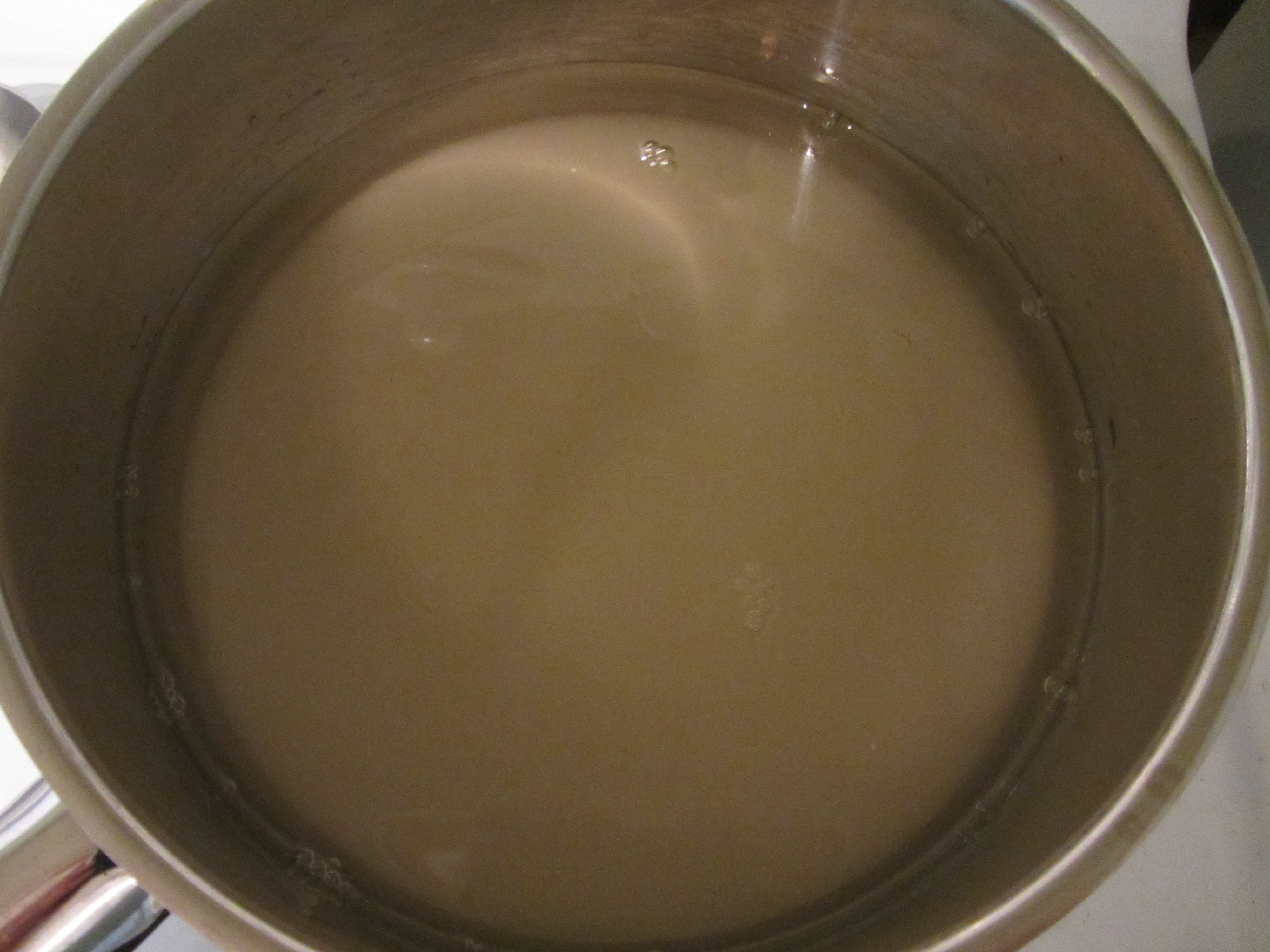
As with the cucumber pickles, slice the fruit very thinly and add it to a spring-top jar. In a saucepan, combine water, sugar, and rice wine vinegar and simmer this until the sugar dissolves completely; no need to boil this one since there are no whole spices.

Simple brine of water, sugar, and rice wine vinegar.

Simple brine of water, sugar, and rice wine vinegar.

Sugar almost dissolved in brine.

Sugar almost dissolved in brine.

Meanwhile, to the jar add slivered ginger, a sprig of fresh mint, and half of a lemon, thinly sliced.

Thinly sliced lemon added to the sliced fruit in the jar.

Thinly sliced lemon added to the sliced fruit in the jar.

Apple, pear, ginger, and lemon in the jar.

Apple, pear, ginger, and lemon in the jar.

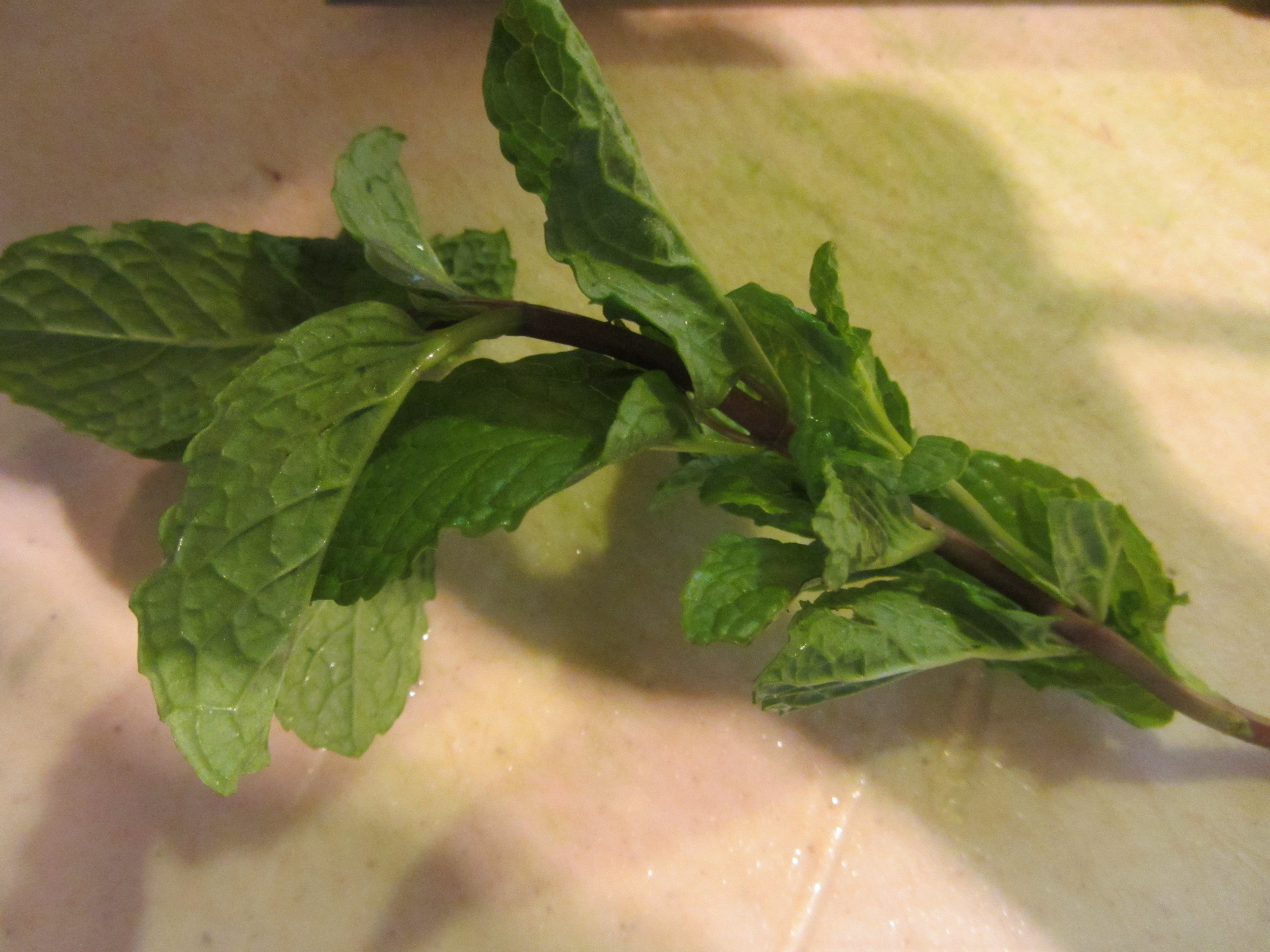
Fresh mint.

Fresh mint.

Mint added to the jar.

Mint added to the jar.

Once the sugar has dissolved in the brine, pour it over the fruit, let the pickles cool, close the lid, and refrigerate them.

Brine poured over fruit.

Brine poured over fruit.

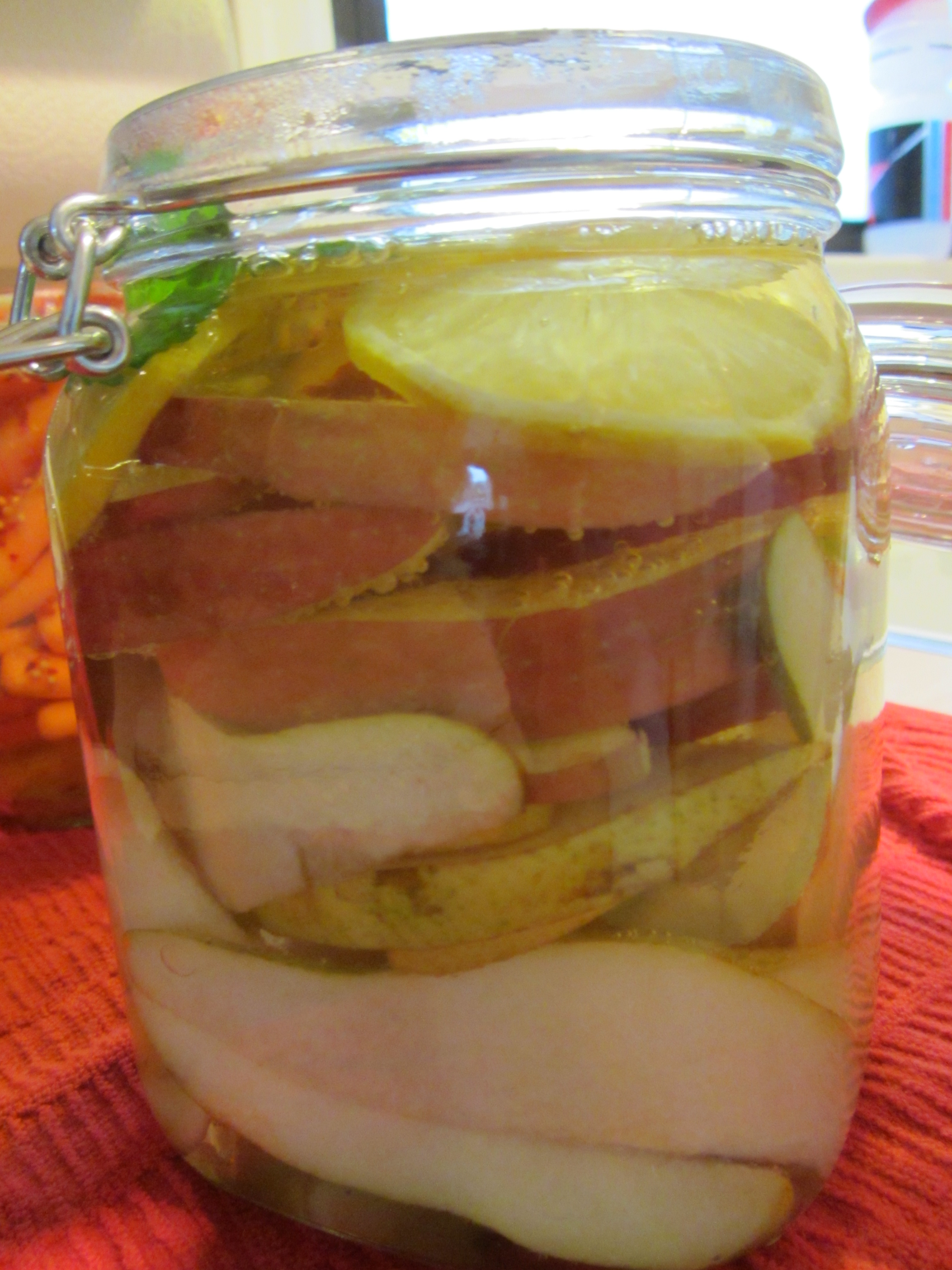
Summer Fruits.

Summer Fruits.

Alton recommends serving these over ice cream or with pound cake. So far, we have only eaten them plain, but I think they would also be fantastic in a spinach salad with some walnuts, beets, and goat cheese. These pickles are fun because they are completely different. They are lightly sweet, but also quite tangy. The fruit has not gotten mushy, which is what I was concerned about. The flavor of the mint really comes through, especially in the pear, and it is really quite a nice pairing with the fruit.

Hurry Curry Cauliflower

The final recipe in this episode is for pickled curried cauliflower. To start these pickles, crush some whole cumin and coriander seeds. I did this with a mortar and pestle.

Whole coriander and cumin seeds.

Whole coriander and cumin seeds.

Crushed cumin and coriander seeds.

Crushed cumin and coriander seeds.

Heat a skillet over medium heat and add the crushed spices. Along with the spices, add curry powder, ginger, and a smashed clove of garlic.

Coriander seed, cumin seed, curry powder, ginger, and garlic in oil

Coriander seed, cumin seed, curry powder, ginger, and garlic in oil

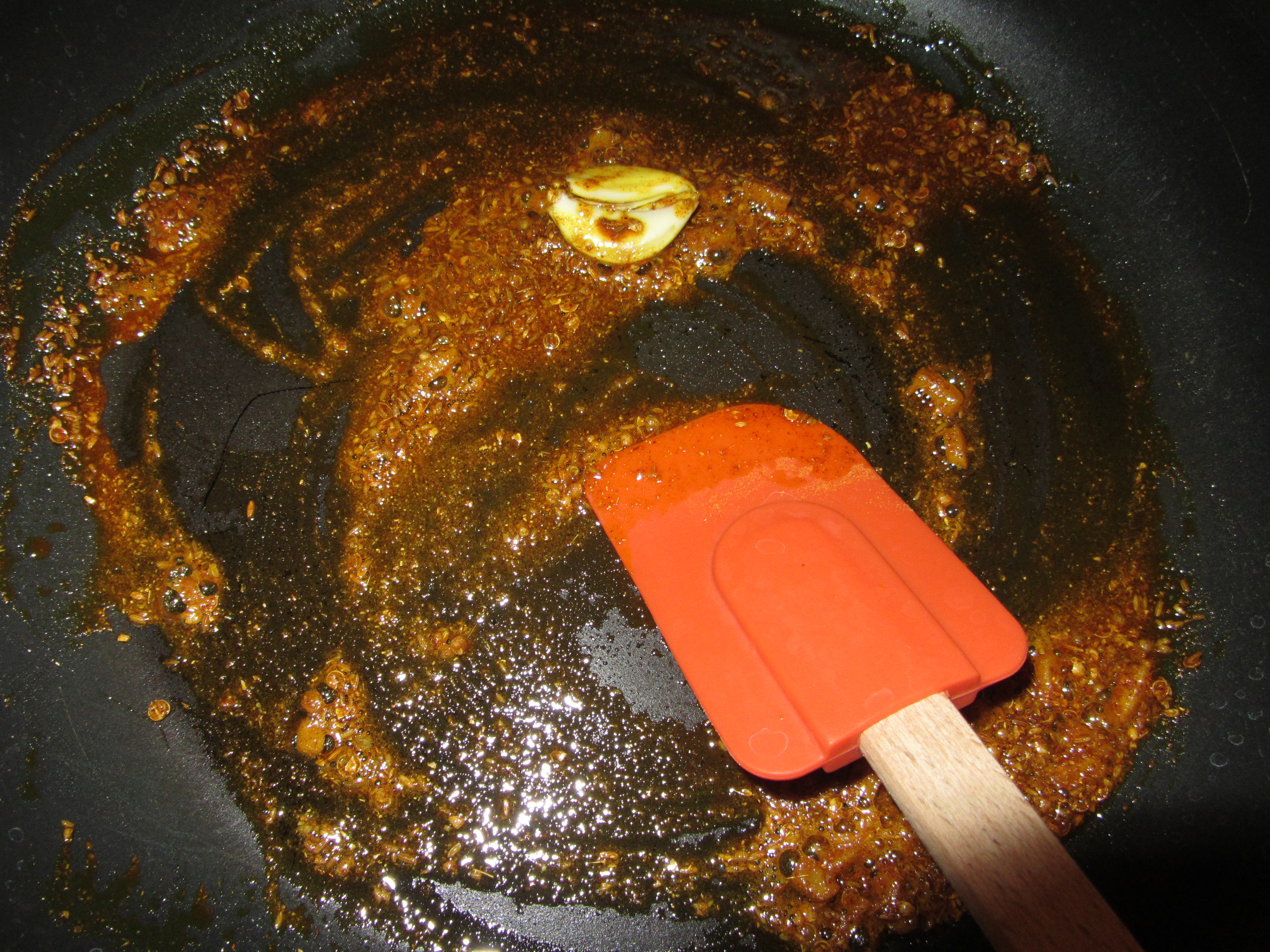
The spice mixture.

The spice mixture.

Cook the spices until they are fragrant and the oil has turned yellow. To the spice mixture, add one head of cauliflower florets and toss to coat them.

Cauliflower florets.

Cauliflower florets.

Cauliflower added to spice mixture.

Cauliflower added to spice mixture.

Curry-coated cauliflower.

Curry-coated cauliflower.

Meanwhile, in a container with a tight-fitting lid, combine water, rice wine vinegar, cider vinegar, sugar, and pickling salt; shake this liquid until the salt and sugar have dissolved. If you do not have pickling salt, you can substitute Kosher salt, but be sure to add 1.5x as much.

Water, rice wine vinegar, cider vinegar, sugar, and Kosher salt shaken until dissolved.

Water, rice wine vinegar, cider vinegar, sugar, and Kosher salt shaken until dissolved.

Once the cauliflower has softened slightly, add it to a spring-top jar and pour over the brine.

Brine and cauliflower combined.

Brine and cauliflower combined.

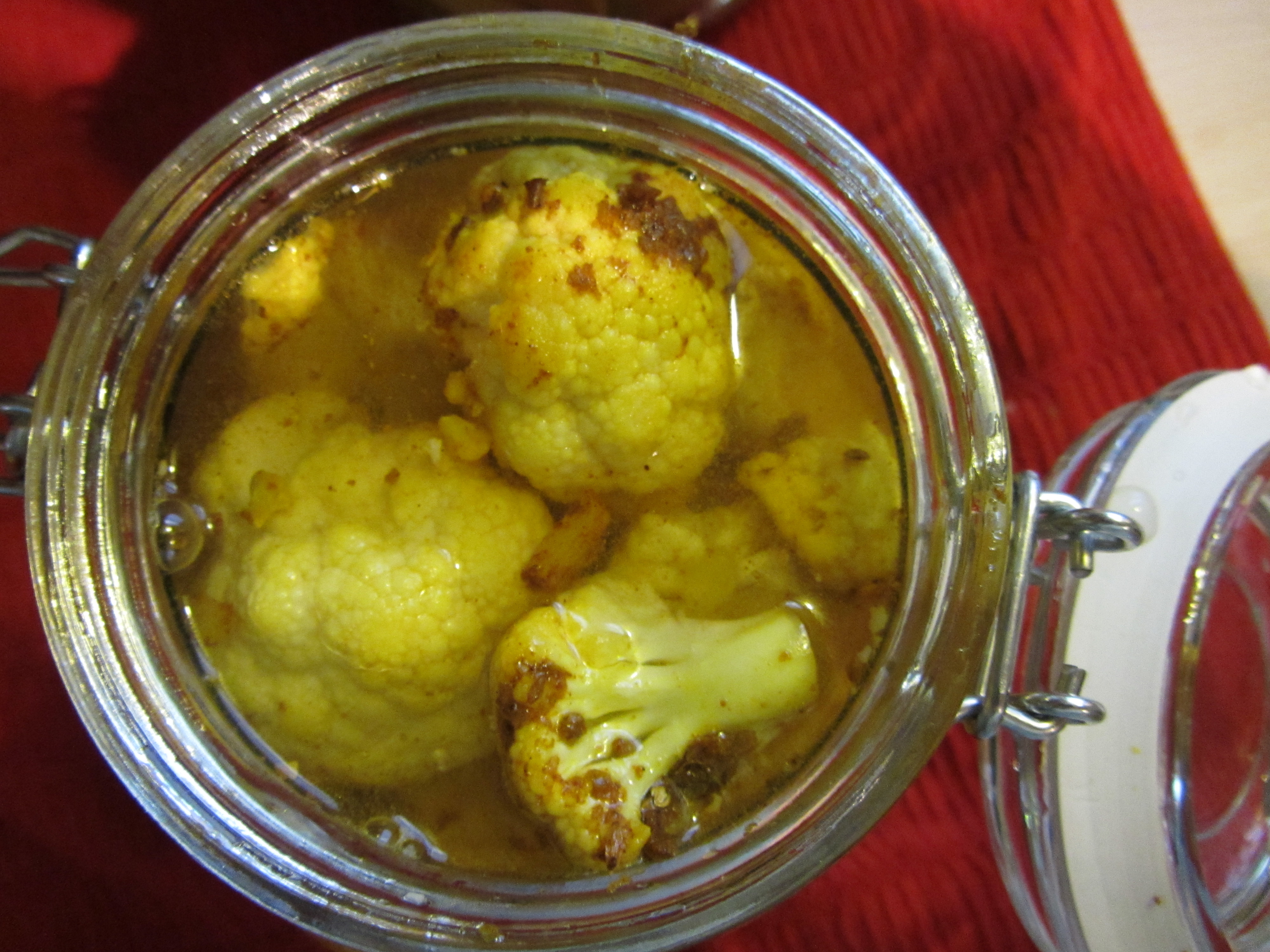
Hurry Curry Cauliflower.

Hurry Curry Cauliflower.

Close the lid and refrigerate. These, too, are more unusual pickles. When we first tasted them after a few days of pickling, we agreed that they were our favorite of the five types of pickles in this episode. Tasting them again after 10 days in the brine, we still like them, but not as much as before. While all of the other pickles seemed to improve with more time in the brine, these seemed to just increase in vinegar flavor, while their delightful curry flavor diminished somewhat. Don’t get me wrong… they are still really good. The cauliflower has maintained it’s crunchy texture, they are really tangy, and the curry flavor is in the background. They would be good on a relish tray (Do people do those anymore?).

Overall, we liked all of these pickles and I think they are all worthy of being made again.

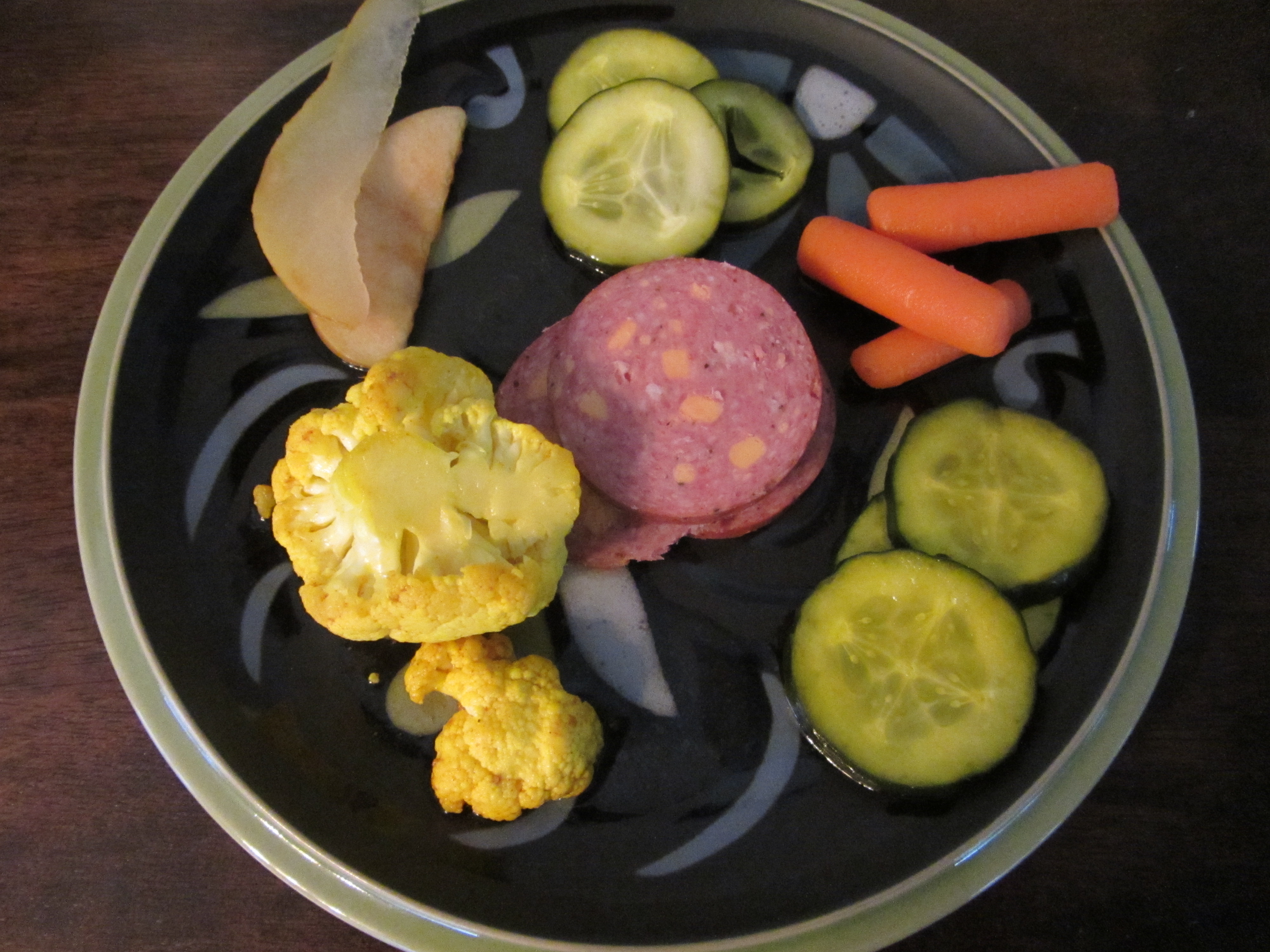
All five types of pickles on a plate, along with some summer sausage. Clockwise from the top:  Kinda Sorta Sours, Firecrackers, AB's B and Bs, Hurry Curry Cauliflower, and Summer Fruits.

All five types of pickles on a plate, along with some summer sausage. Clockwise from the top: Kinda Sorta Sours, Firecrackers, AB’s B and Bs, Hurry Curry Cauliflower, and Summer Fruits.

After 10 days of pickling, Ted ranked the pickles from best to worst as:  Firecrackers, B and Bs, Summer Fruits, Sours, and Cauliflower. I ranked the pickles as:  B and Bs, Firecrackers, Sours, Summer Fruits, and Cauliflower.


I am a sucker for baking. I have loved to bake for as long as I can remember, and even considered going to culinary school to become a pastry chef. For a year and a half I worked at a bakery in a tiny (population of ~300 people) Washington town. When I applied for the job, I had romantic visions of early mornings spent manipulating dough into glorious breads and pastries. Instead, I would wake at 4:30 am and drive 30 minutes to work to be the soup and salad girl. Sigh. While I made those soups and salads to the best of my ability, there was simply nothing romantic about them, or the early mornings. Instead, I would watch with envy, from my little soup corner of the kitchen, as the town Frenchman would fold circles of dough over tangy fruit fillings, forming beautiful free-form galettes.

No Pan Pear Pie

Needless to say, I was excited to watch the 19th episode of Good Eats, as it is a baking episode AND the recipe featured is for a fruit galette. To begin this recipe, Alton has you start with your dough, combining flour, corn meal, sugar, and Kosher salt. For this, he emphasizes that you want to use all-purpose flour, as it browns better.

Dry ingredients..

Dry ingredients.

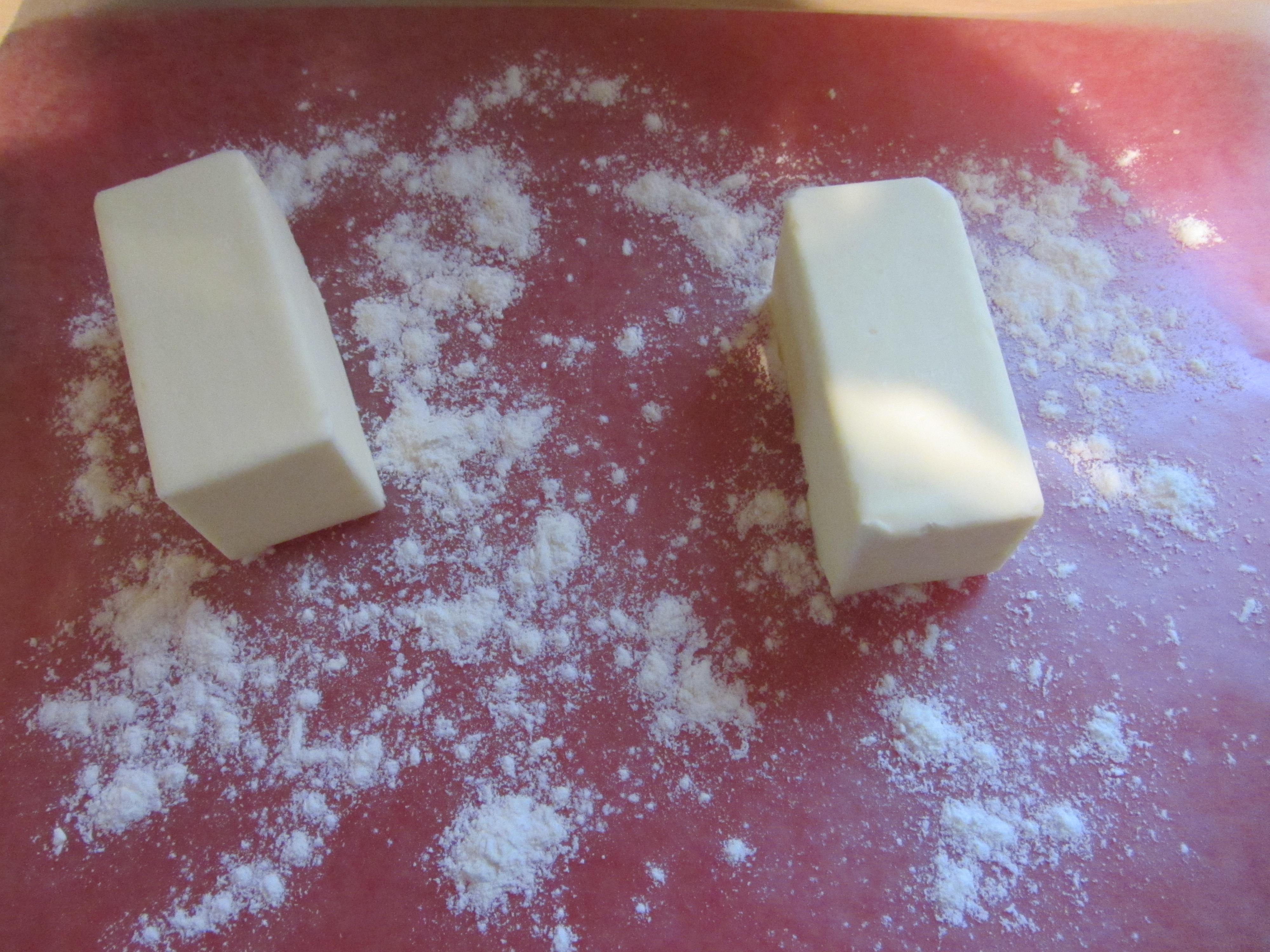
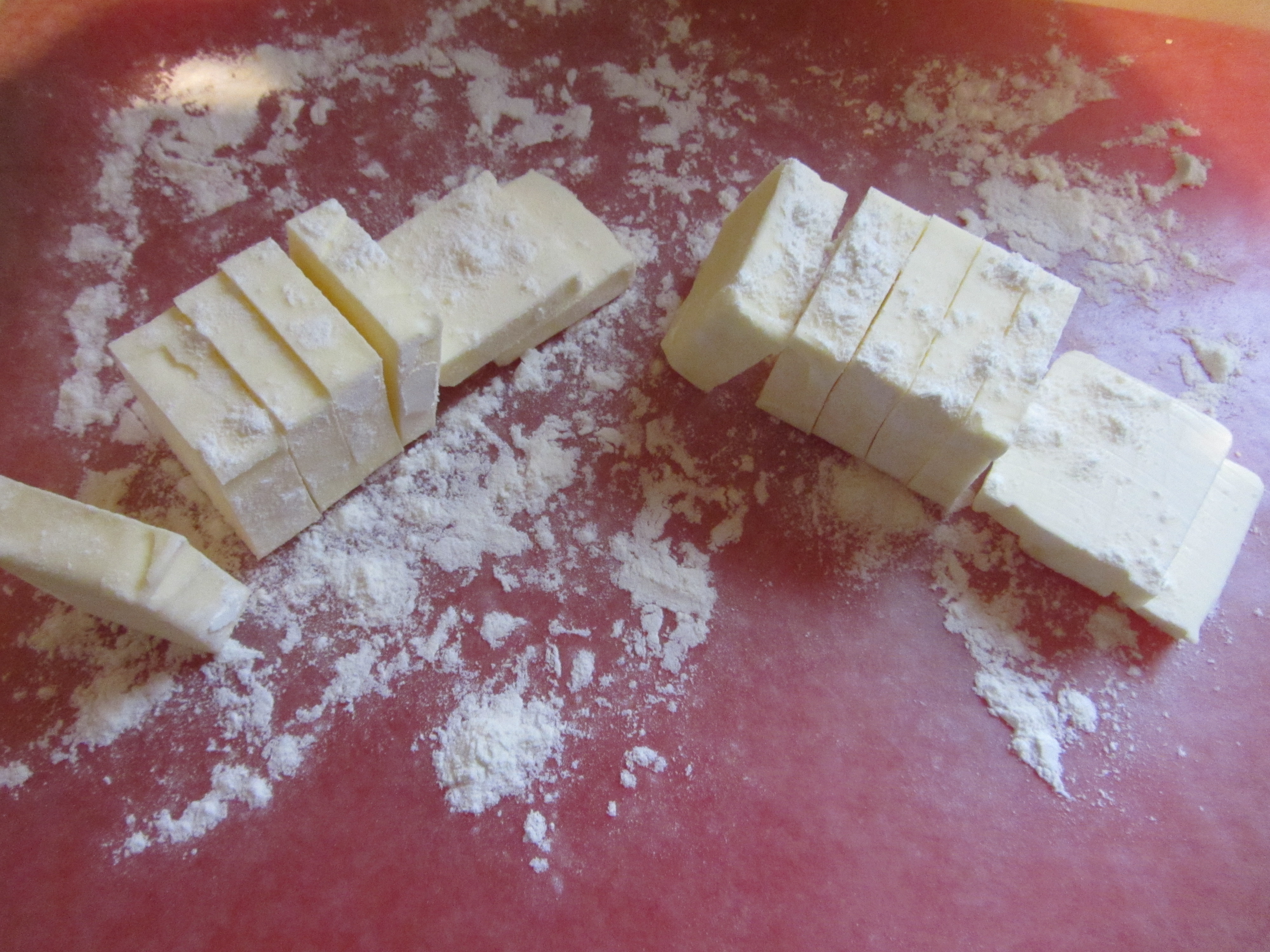
Meanwhile, you coat two sticks of butter in some flour and cut them into pieces.

Coating butter in flour.

Coating butter in flour.

Coated butter.

Coated butter.

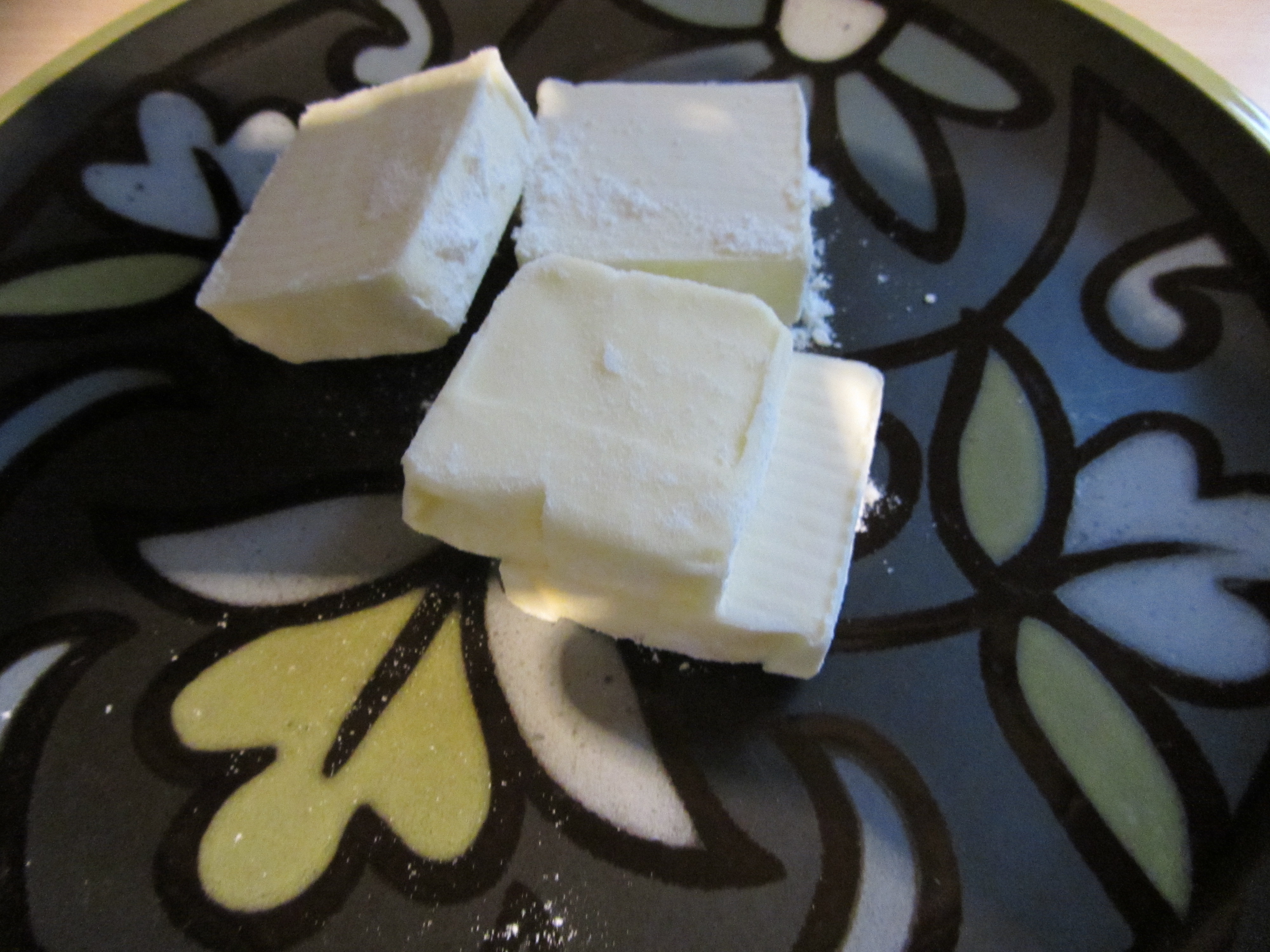
Both the butter and the dry ingredient mixture go into the refrigerator to chill, though you want to keep half a stick of the butter at room temperature.

Reserved, room temperature butter.

Reserved, room temperature butter.

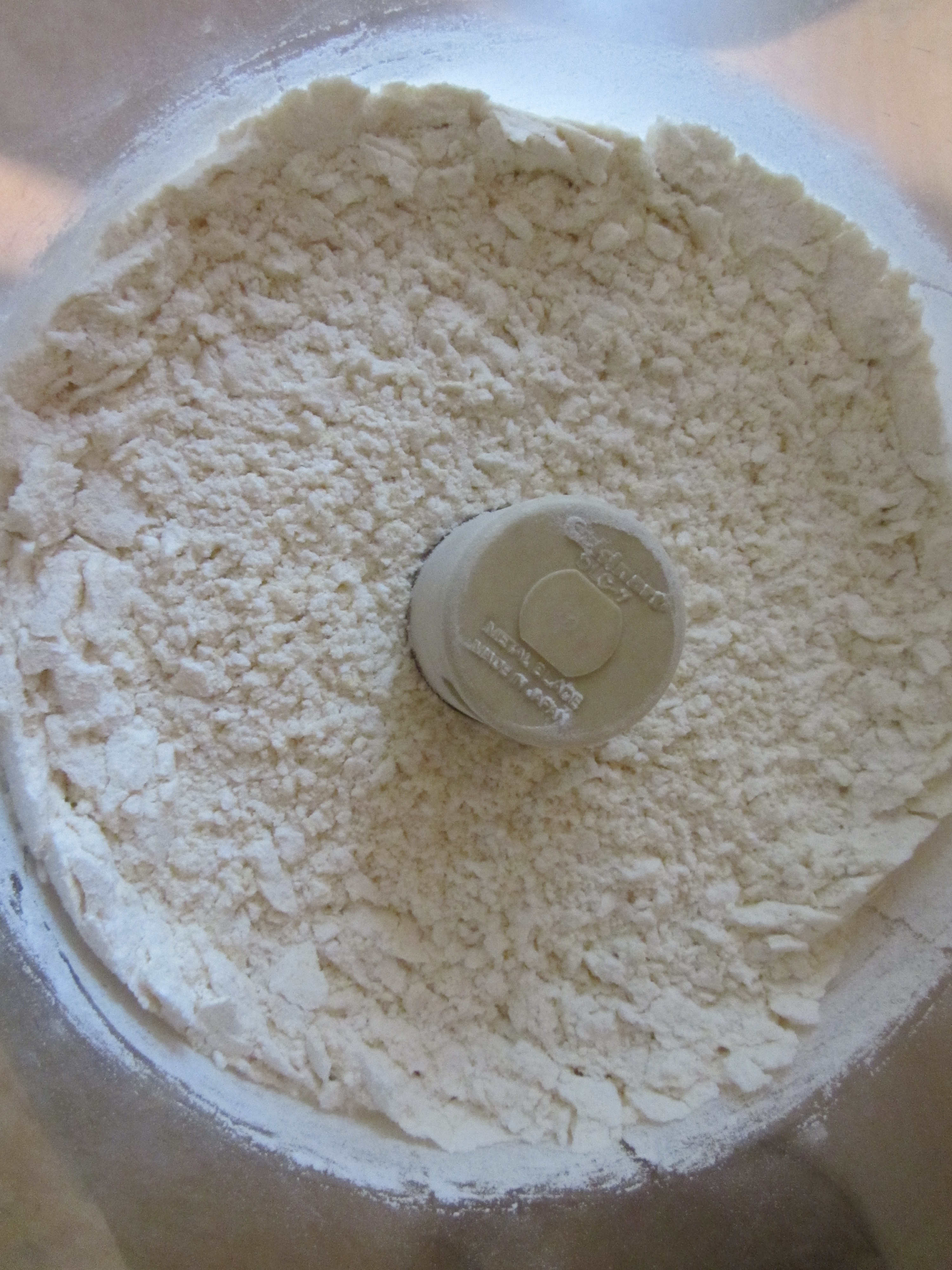
Once your ingredients are thoroughly chilled, you pulse your dry mix in a food processor, adding the room temperature butter, and pulsing until the fat is no longer visible.

Pulsing dry ingredients.

Pulsing dry ingredients.

Adding room temperature butter.

Adding room temperature butter.

Fat no longer visible.

Fat no longer visible.

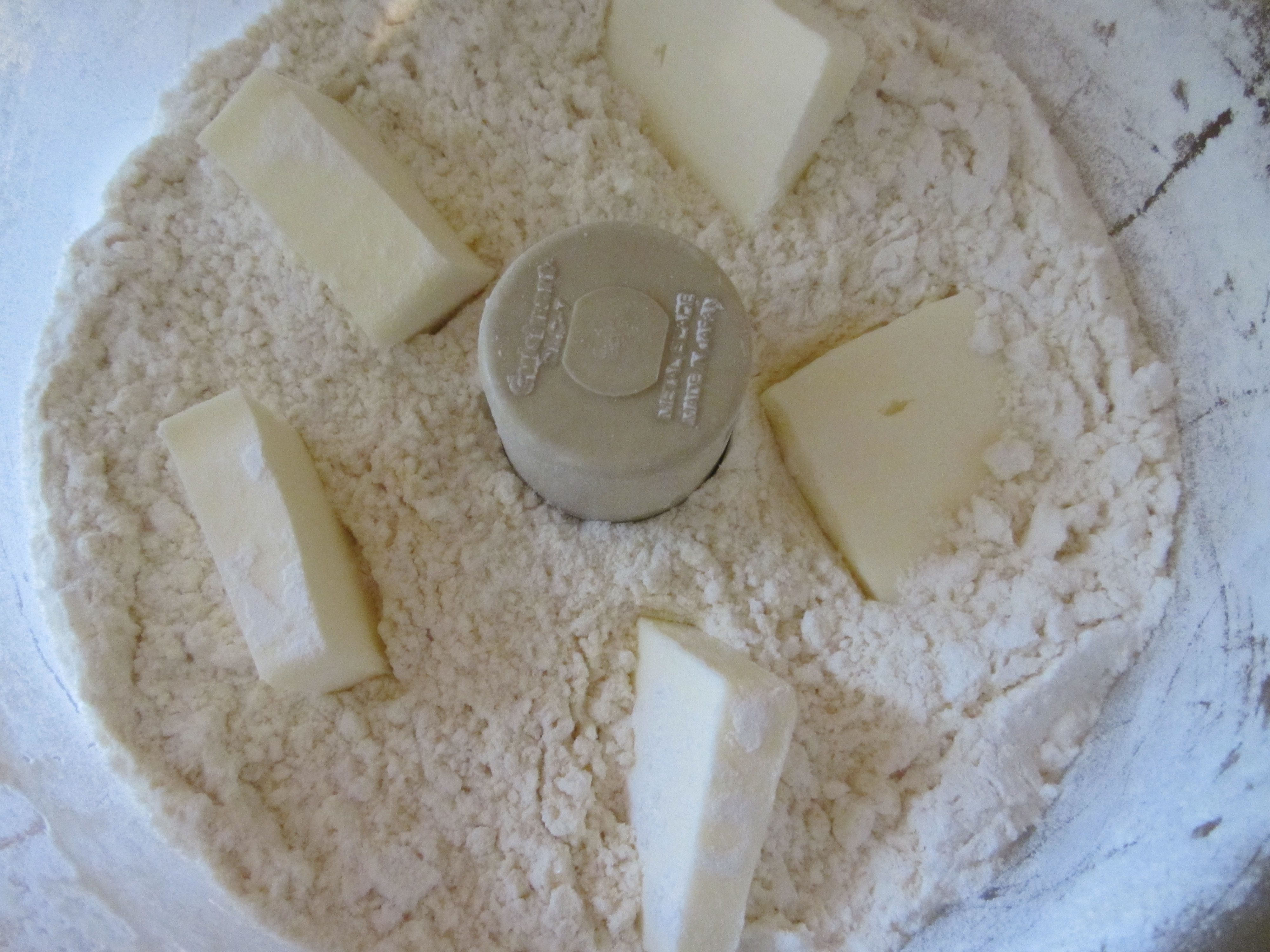
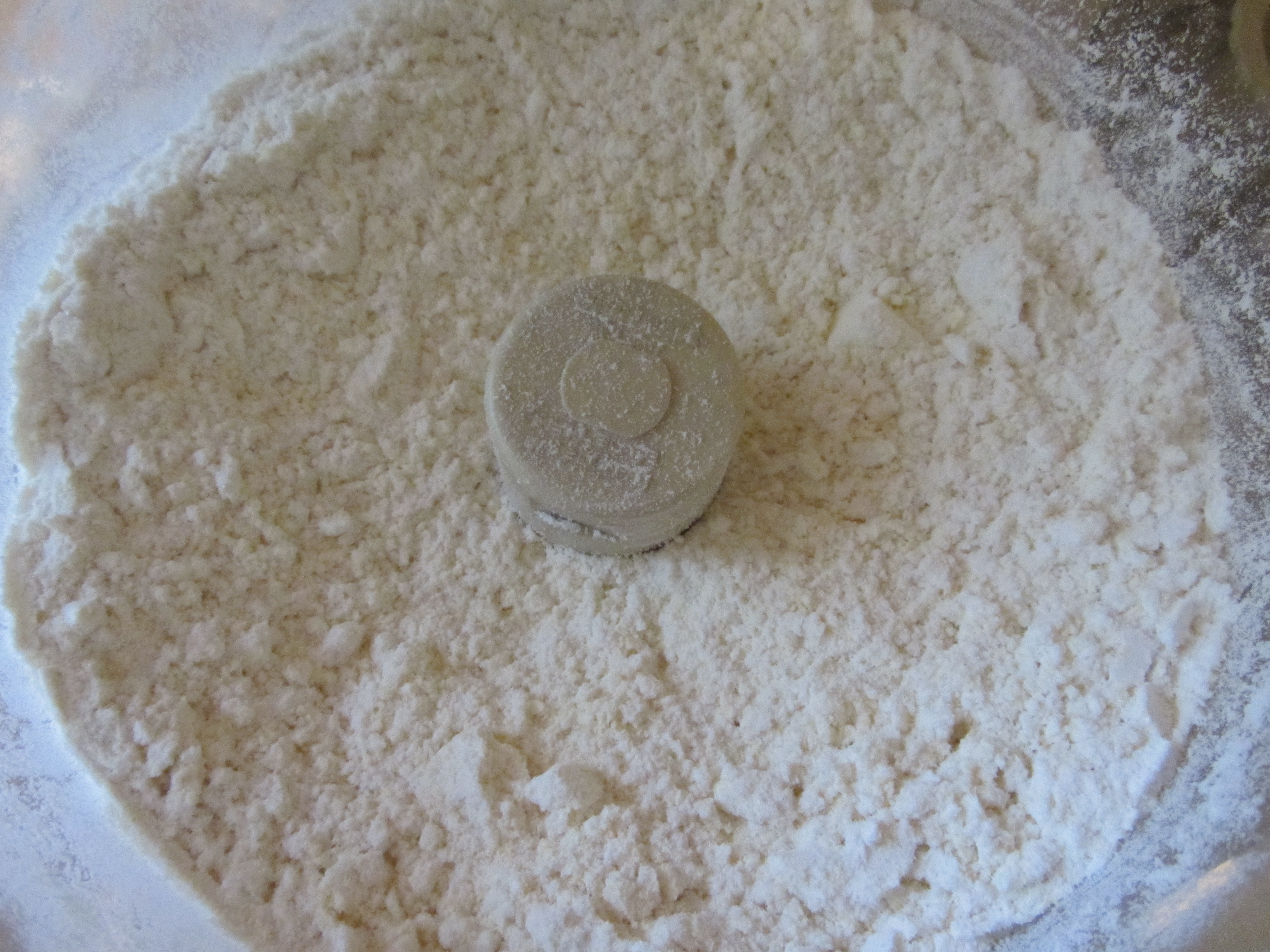
At this point, you add half of your chilled butter, pulsing about 10 times, or until you have a mixture with pea-sized lumps.

Adding half of cold butter.

Adding half of cold butter.

10-27-2014 060 To this, you add the remaining cold butter, pulsing a max of 4 times.

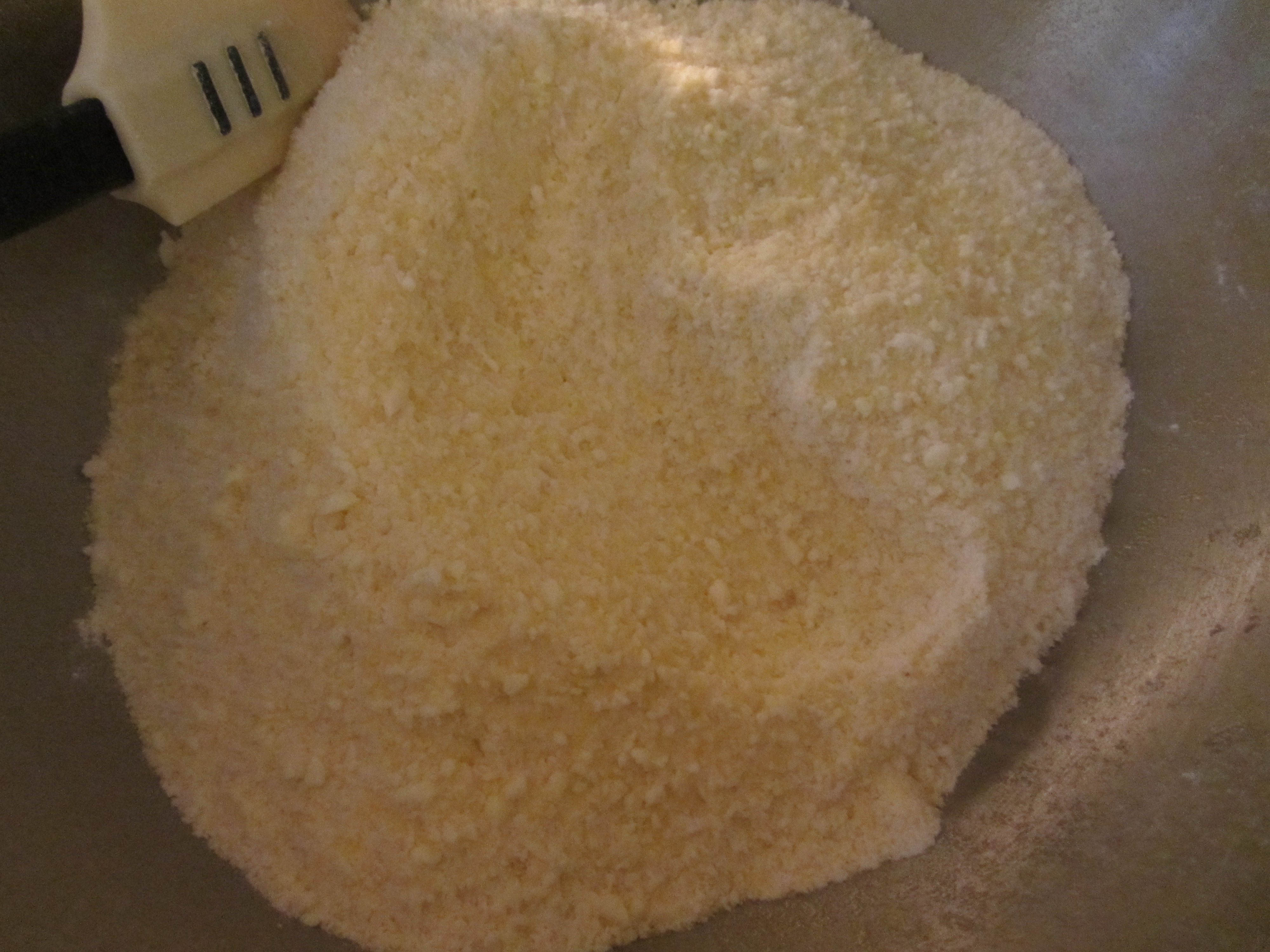
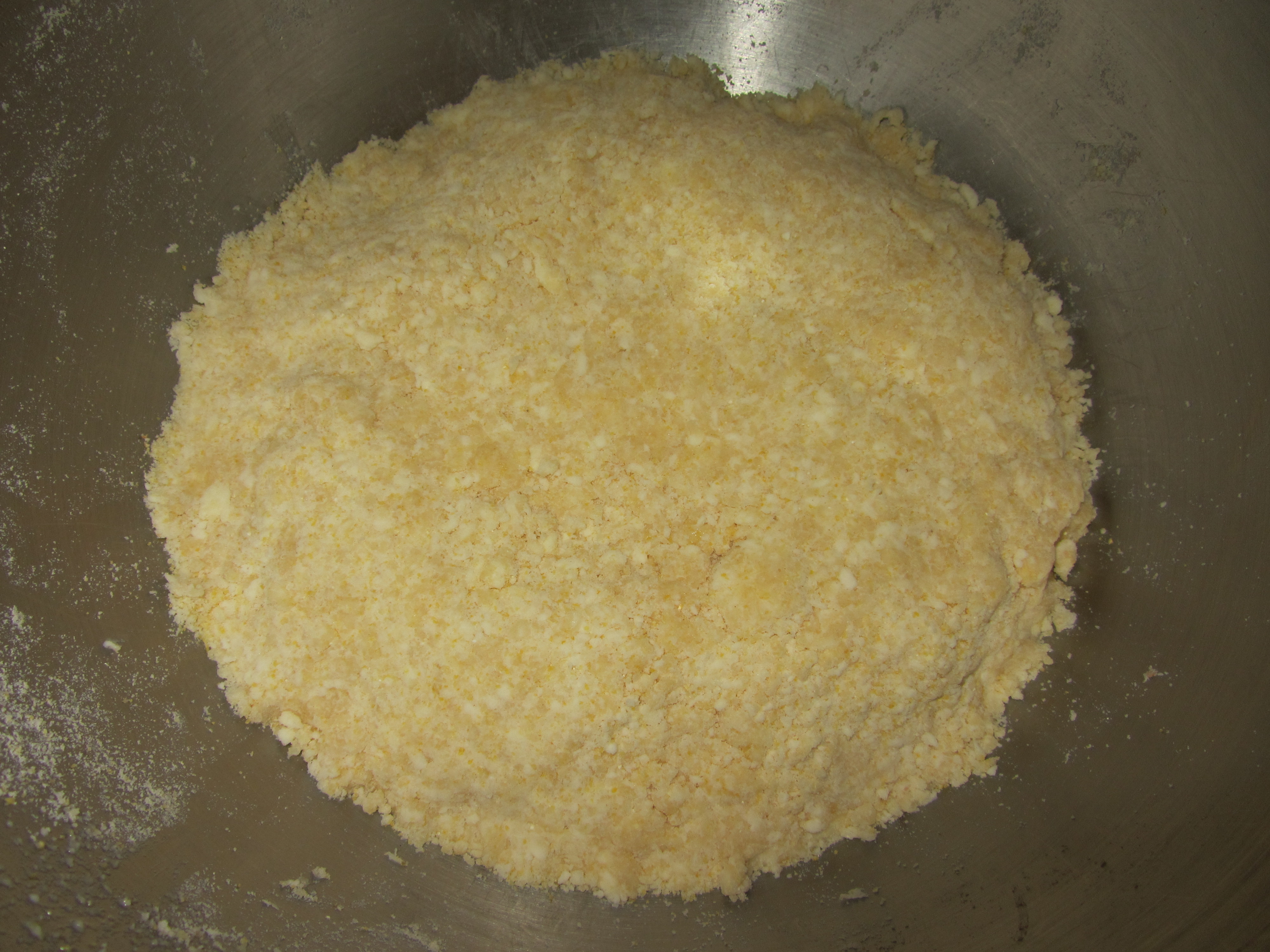
Final mixture.

Final mixture.

This mixture is placed in a metal bowl. The liquid for this dough is a combination of apple juice concentrate and water, which Alton recommends you put into a spray bottle.

Spray bottle with apple juice concentrate and water.

Spray bottle with apple juice concentrate and water.

This liquid gets spritzed onto the surface of the dough, and folded in with a spatula, until you have a dough that holds together and breaks cleanly, without crumbling.

Spritzing liquid into dry mixture.

Spritzing liquid into dry mixture.

Adding liquid.

Adding liquid.

Once your dough has reached this state, you form it into a ball, wrap it in parchment, and put it in the refrigerator to chill. I ended up using twice the amount of liquid called for in the recipe before deciding my dough was close enough. In reality, my gut was telling me to keep adding more liquid. Foreshadowing.

Final dough, after adding 2x the liquid called for.

Final dough, after adding 2x the liquid called for.

Dough wrapped to go in refrigerator.

Dough wrapped to go in refrigerator.

While your dough chills, you make the filling for your pie.

Filling ingredients.

Filling ingredients.

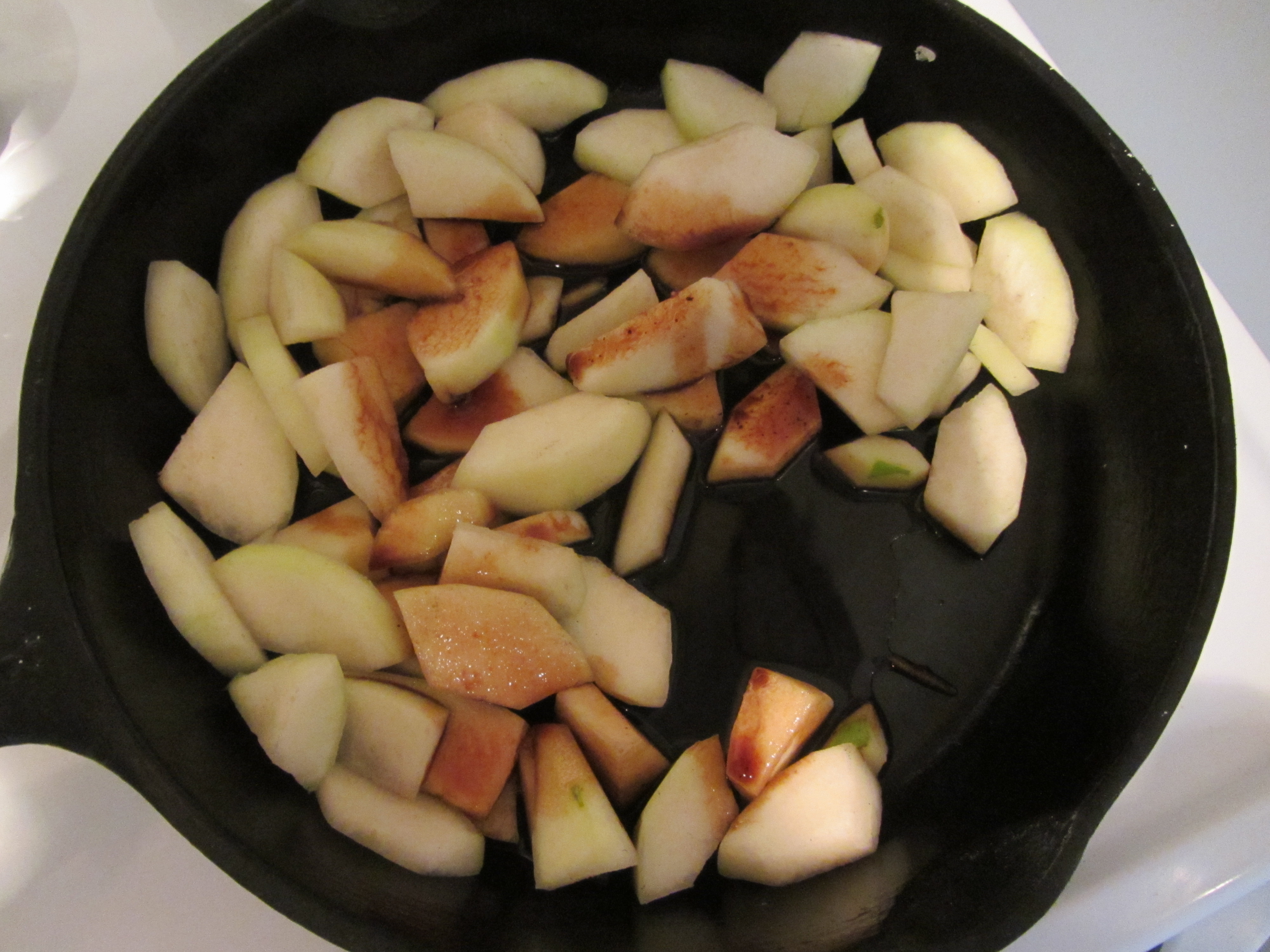
To a hot iron skillet, you add two Anjou pears, peeled, cored, and sliced.

Hot iron skillet.

Hot iron skillet.

Pears.

Pears.

To the pears, you add balsamic vinegar and sugar.

Pears with balsamic vinegar.

Pears with balsamic vinegar.

Pears, balsamic vinegar, and sugar.

Pears, balsamic vinegar, and sugar.

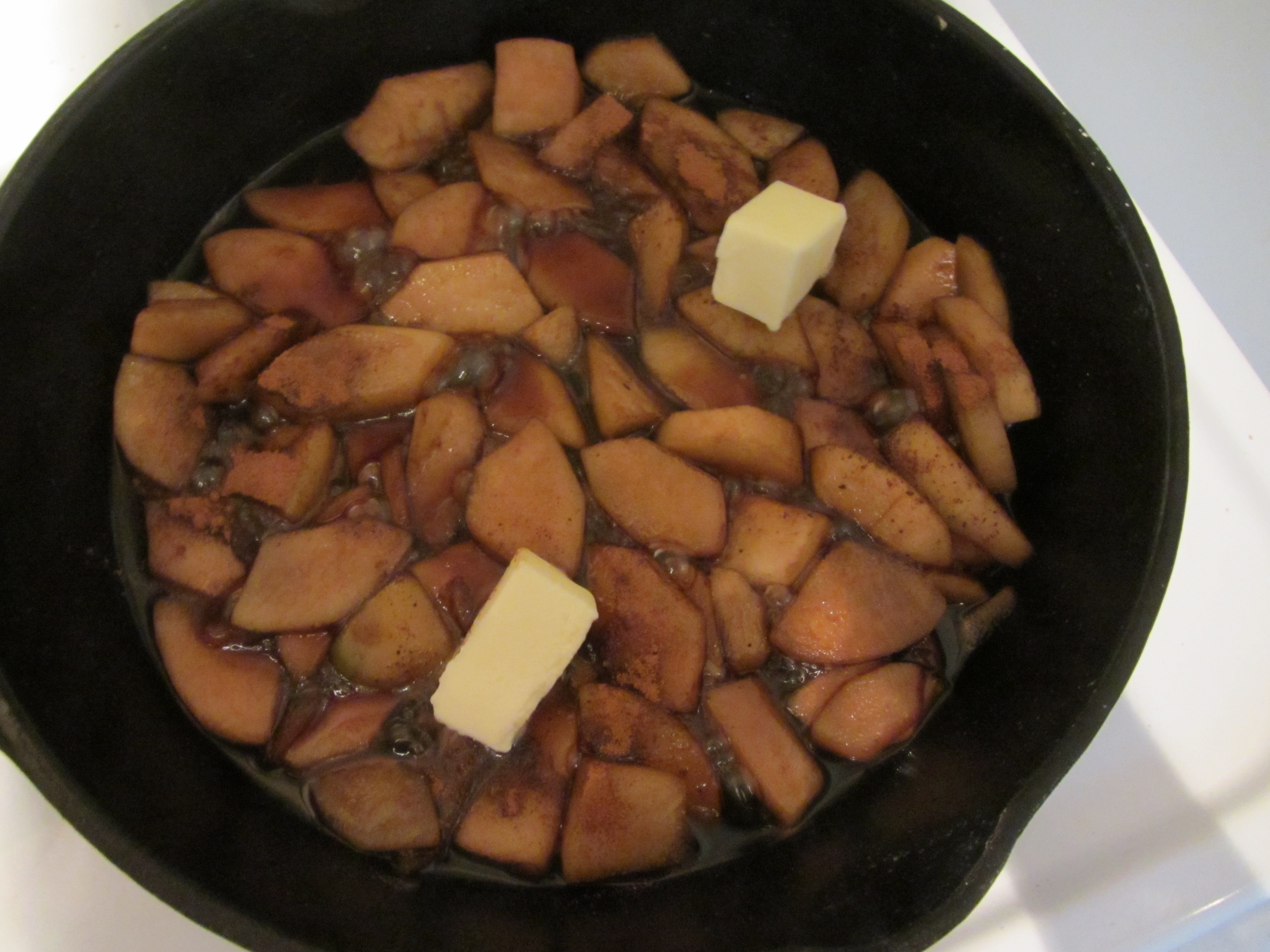
Once the pears have softened, you add nutmeg, cinnamon, and butter.

Pear mixture with spices and butter.

Pear mixture with spices and butter.

When the butter has melted, you add a cup of blueberries and remove the filling from the heat.

Blueberries added.

Blueberries added.

Some sifted flour is stirred into the filling to thicken it, and you allow it to cool to room temperature.

Flour sifted into filling.

Flour sifted into filling.

Final filling.

Final filling.

I ended up running out of time to finish my pie in the day I started it, so I refrigerated my filling and dough overnight. The next morning, I pulled my dough and filling from the refrigerator, allowing them both to warm up for a few minutes. I sprinkled my work surface with flour and turned my dough out onto it. I could tell immediately that I should have listened to my gut the day before, as my dough was way too crumbly.

Dough that is too crumbly.

Dough that is too crumbly.

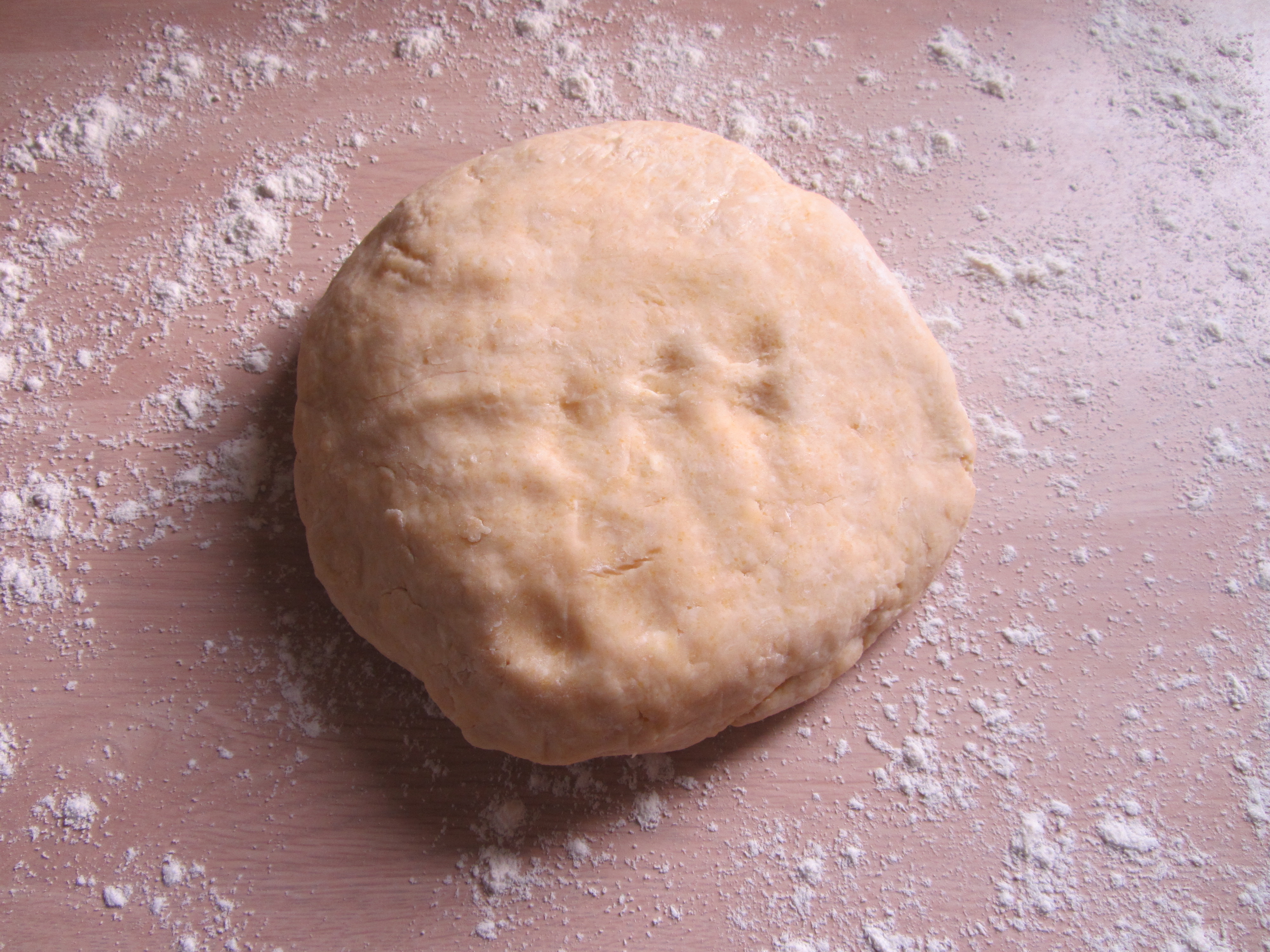
Back into the food processor it went. This time, I added cold water through the feeding tube until my dough was coming together in a nice ball. I worked my dough into a nice smooth ball, and put it back in the refrigerator for about 20 minutes. Finally, I was ready to assemble my pie.

Proper dough after adding more liquid.

Proper dough after adding more liquid.

Dough ready to roll out after adding more liquid.

Dough ready to roll out after adding more liquid.

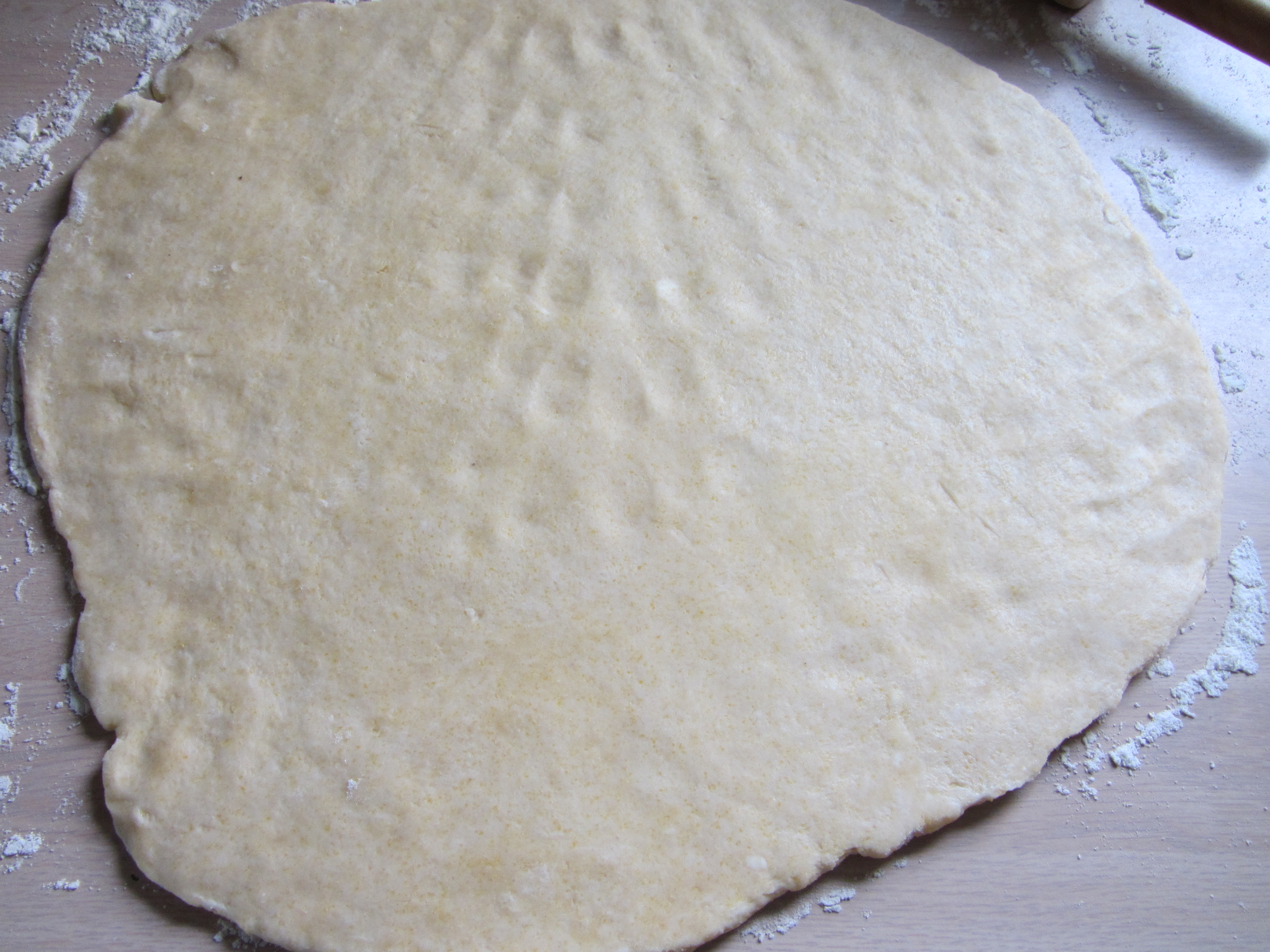
Alton tells you to roll your dough on a floured surface until it is 1/4″ thick. If your dough gets too warm, you can press it with a cold sheet pan, but I never needed to do that. Once your dough is in a nice, even circle, you transfer it to an inverted, parchment-coated, sheet pan.

Rolled out dough.

Rolled out dough.

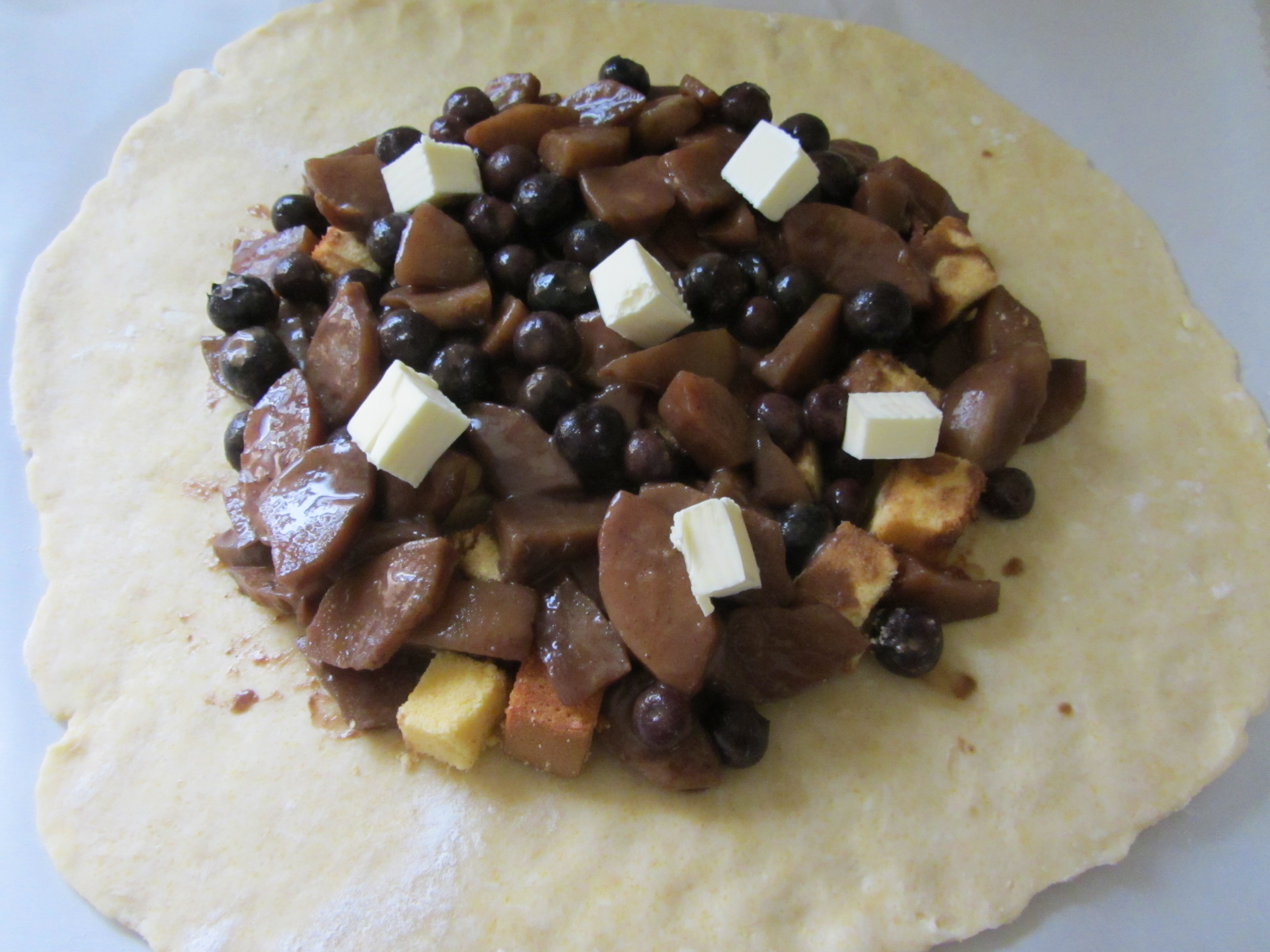
In the center of your dough circle, you place pound cake cubes (I used frozen pound cake), and top this with your fruit filling. Some clumps of butter are dotted over the filling, and you can begin folding up your dough.

Pound cake in middle of dough circle.

Pound cake in middle of dough circle.

Pound cake, fruit filling, and butter.

Pound cake, fruit filling, and butter.

You fold your dough in sections, overlapping the sections and sealing them with some water, until all of the excess dough is folded up.

Folded dough around filling.

Folded dough around filling.

Your crust gets brushed with an egg wash and sprinkled with sugar, and it goes into the oven for 25 minutes.

Brushed with egg wash and sprinkled with sugar.

Brushed with egg wash and sprinkled with sugar.

My pie was done in about 32 minutes, as it was golden brown and the pleats felt like they would break if you pushed on them.

Pie after baking.

Pie after baking.

It is best to allow this pie to cool to room temperature before cutting. We ate this pie for dessert and/or breakfast over the next few days. It cut easily into wedges (even the very first piece), and had a nice combination of flavors and textures.

Perfect first slice of pie.

Perfect first slice of pie.

Pie slice.

Pie slice.

I really liked the addition of cornmeal to the crust, as it gave it an extra dimension of texture. The crust was flaky, buttery, and tender. The pears in the filling were soft, but not mushy, and the blueberries gave a bit of tartness. The pound cake absorbed some of the liquid in the filling, which gave the cake a velvety, cheesecake-like texture. I will make this pie again, though I think it might be more fun to make individual galettes, rather than one big pie. If you are looking for a different pie for Thanksgiving, this is a good one to try. Or, if you want a traditional pan-baked pie, you could still use the filling recipe from this pie to make a perfect Fall fruit pie. No longer do I need to lust over others’ galettes, as this recipe is an easy one to make at home myself.